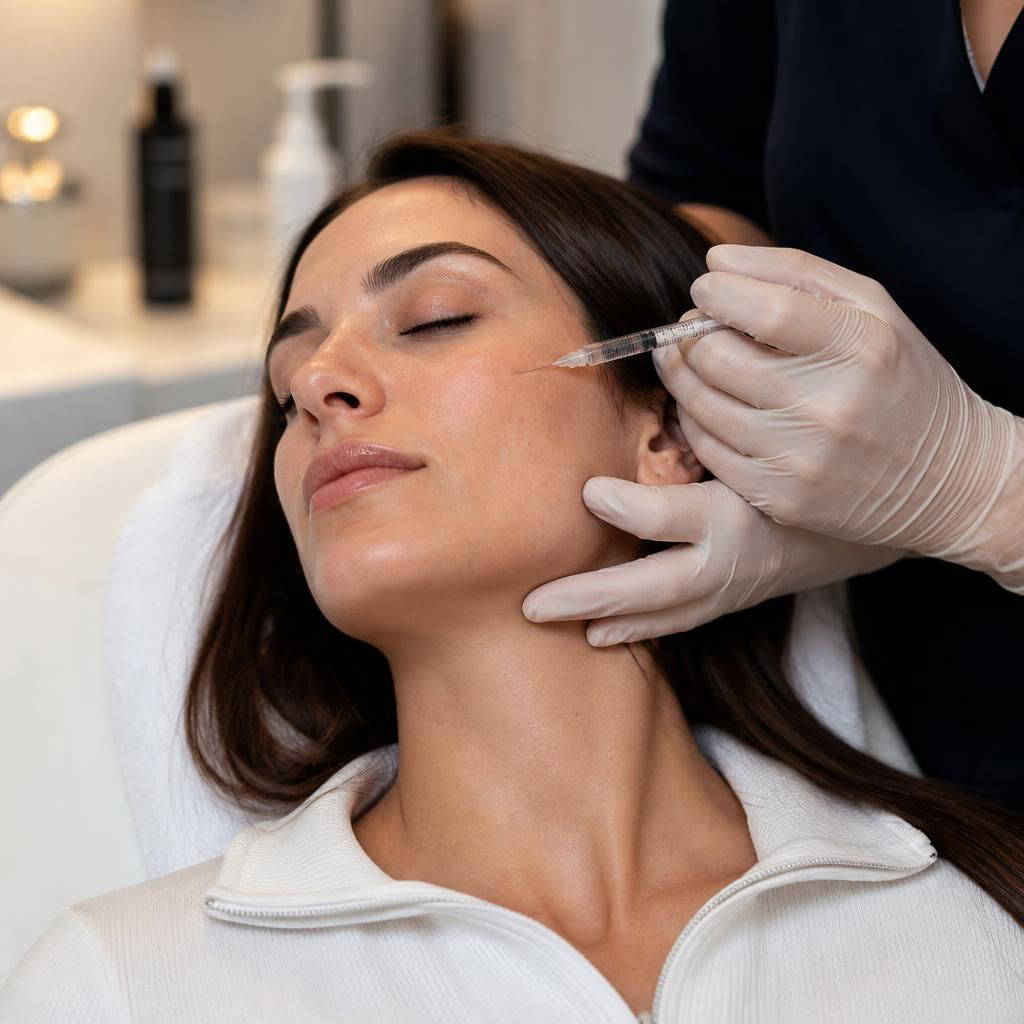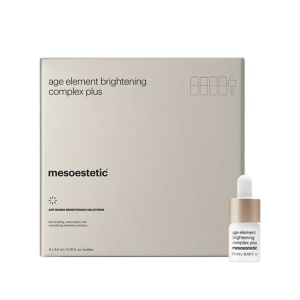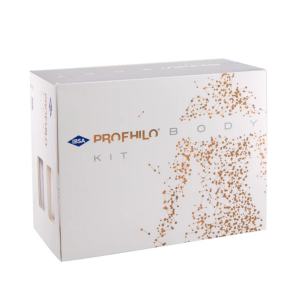

To ensure optimal results and enhance patient comfort during Polynucleotide and Skin Booster treatments, it is crucial to employ effective numbing and aftercare products. Local anaesthetics, like lidocaine-based creams, are commonly used for numbing the treatment area. These creams help minimise discomfort and enable a more pleasant experience. After the procedure, adopting a comprehensive aftercare regimen is essential to promote healing and maximise the benefits of the treatment.
Understanding Polynucleotide & Skin Booster Treatments
Polynucleotide and Skin Booster treatments are advanced aesthetic procedures designed to rejuvenate and revitalise the skin. Polynucleotides, derived from DNA fragments, are known for their regenerative properties, helping to improve skin elasticity and hydration. Skin boosters, on the other hand, are typically composed of hyaluronic acid, which provides deep hydration and enhances skin texture. These treatments are minimally invasive, making them popular choices for individuals seeking non-surgical skin enhancement solutions. However, despite their minimally invasive nature, proper numbing and aftercare are critical to achieving the best outcomes.
Importance of Numbing in Treatment
Numbing is a crucial step in ensuring patient comfort during Polynucleotide and Skin Booster treatments. The application of topical anaesthetics, such as lidocaine-based creams, helps desensitise the skin, reducing the pain associated with needle injections. These creams are applied approximately 30 to 60 minutes before the procedure, allowing sufficient time for the numbing effect to take place. By effectively numbing the treatment area, practitioners can perform the procedure with greater precision and ease, resulting in a more positive experience for the patient. Proper numbing not only enhances comfort but also contributes to the overall success of the treatment.
Aftercare Essentials for Optimal Results
Following Polynucleotide and Skin Booster treatments, a thorough aftercare routine is essential to promote healing and maintain the benefits of the procedure. Patients are often advised to avoid excessive sun exposure and to apply a high-quality sunscreen to protect the treated area. Additionally, using soothing and hydrating products, such as serums containing hyaluronic acid, can help maintain skin moisture and reduce inflammation. It is also recommended to avoid strenuous activities and excessive heat exposure, such as saunas or hot showers, for at least 24 to 48 hours post-treatment. Adhering to these aftercare guidelines supports the skin’s healing process and ensures optimal treatment outcomes.
Effective numbing and aftercare are integral components of Polynucleotide and Skin Booster treatments. Numbing creams, primarily those containing lidocaine, are widely used to ensure patient comfort throughout the procedure. These topical anaesthetics are applied in advance to minimise pain and discomfort, allowing for a smoother treatment experience.
Post-treatment care is equally important for achieving the desired results. Patients should prioritise skin protection by using high-SPF sunscreen to shield the treated area from harmful UV rays. Hydrating products, such as those rich in hyaluronic acid, are recommended to maintain skin moisture and support the healing process.
Adhering to these numbing and aftercare guidelines not only enhances patient comfort but also contributes significantly to the success of the treatment. By understanding and implementing these measures, both practitioners and patients can ensure a positive and effective treatment experience.