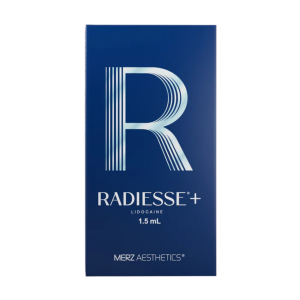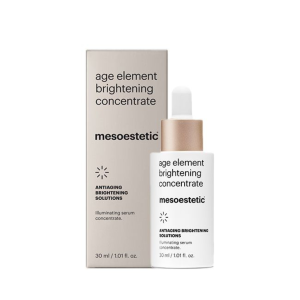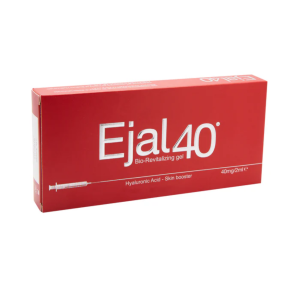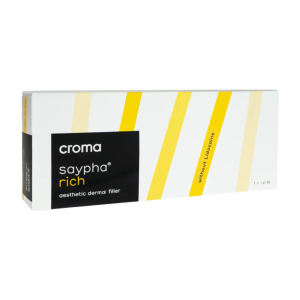

When calculating the costs of skin boosters for your practice, it is essential to consider several key factors. These include the cost of the products themselves, potential additional expenses such as shipping and handling, practitioner fees, and any supplementary materials required for the procedure. Additionally, understanding the market demand and competitive pricing within your locality can help in setting a profitable price point for your services. By carefully evaluating these aspects, you can effectively manage your costs and ensure a sustainable and profitable practice.
Understanding Product Costs
Product costs are the foundation of your pricing strategy. This involves not only the purchase price of the skin boosters but also any additional costs like shipping, taxes, and import duties if applicable. It’s crucial to maintain a relationship with reliable suppliers to ensure consistent product availability and competitive pricing. Regularly reviewing supplier contracts and staying informed about any changes in product costs will enable you to make informed adjustments to your pricing strategy as necessary.
Assessing Operational Expenses
Beyond the cost of the skin boosters themselves, consider the operational expenses involved in administering these treatments. This includes practitioner fees, which can vary based on expertise and experience, as well as costs associated with maintaining a sterile and compliant clinical environment. Additional costs may include the purchase of consumables, such as syringes and antiseptics, and potential investments in training for new techniques or products. Accurately accounting for these expenses is crucial for setting a price that covers costs while ensuring profitability.
Market Analysis and Pricing Strategy
Conducting a market analysis is vital to understand the competitive landscape in your area. This involves researching what other clinics are charging for similar treatments and evaluating the demand for skin boosters among your target clientele. A well-thought-out pricing strategy should balance competitive pricing with the need to cover costs and achieve a reasonable profit margin. Offering packages or loyalty discounts can also help attract and retain clients, providing added value while encouraging repeat business.
Long-Term Financial Planning
Finally, consider the long-term financial implications of offering skin booster treatments. This includes planning for potential changes in supplier prices, evolving industry standards, and shifts in client demand. Regularly reviewing and adjusting your pricing strategy in response to these factors will help ensure the sustainability of your practice. Additionally, investing in marketing and client education can drive demand, helping to offset costs and enhance profitability over time.
To calculate skin booster costs effectively, start by analysing the direct cost of the products, including any shipping or import fees. Establish relationships with reliable suppliers to secure competitive pricing and ensure consistent supply. This will form the basis of your pricing strategy.
Next, consider operational expenses such as practitioner fees and consumables. Ensure your pricing covers these costs while reflecting the expertise and quality of service offered. Regularly review these expenses to maintain a profitable practice.
Finally, conduct a thorough market analysis to understand local competition and demand. Develop a pricing strategy that balances competitiveness with profitability, considering offering packages or discounts to attract clients. Regularly revisit your strategy to adapt to market changes, ensuring long-term sustainability and growth.