
Numbing creams are essential in aesthetic practices to ensure client comfort during various procedures. These topical anaesthetics help minimise pain and discomfort, making treatments more tolerable for patients. Professionals have a range of numbing creams at their disposal, each formulated to cater to different needs and treatment types. The choice of numbing cream depends on factors such as the procedure’s duration, the area being treated, and individual patient requirements.
Types of Numbing Creams
The most commonly used numbing creams in aesthetics are lidocaine-based formulations. Lidocaine is a local anaesthetic that temporarily blocks nerve signals in the skin, providing effective pain relief. Some products combine lidocaine with other anaesthetics like prilocaine or tetracaine for enhanced efficacy. These combinations may offer longer-lasting numbness, which is beneficial for more extended procedures. Additionally, creams with varying concentrations are available, allowing practitioners to choose the appropriate strength based on the sensitivity of the treatment area.
Application and Onset Time
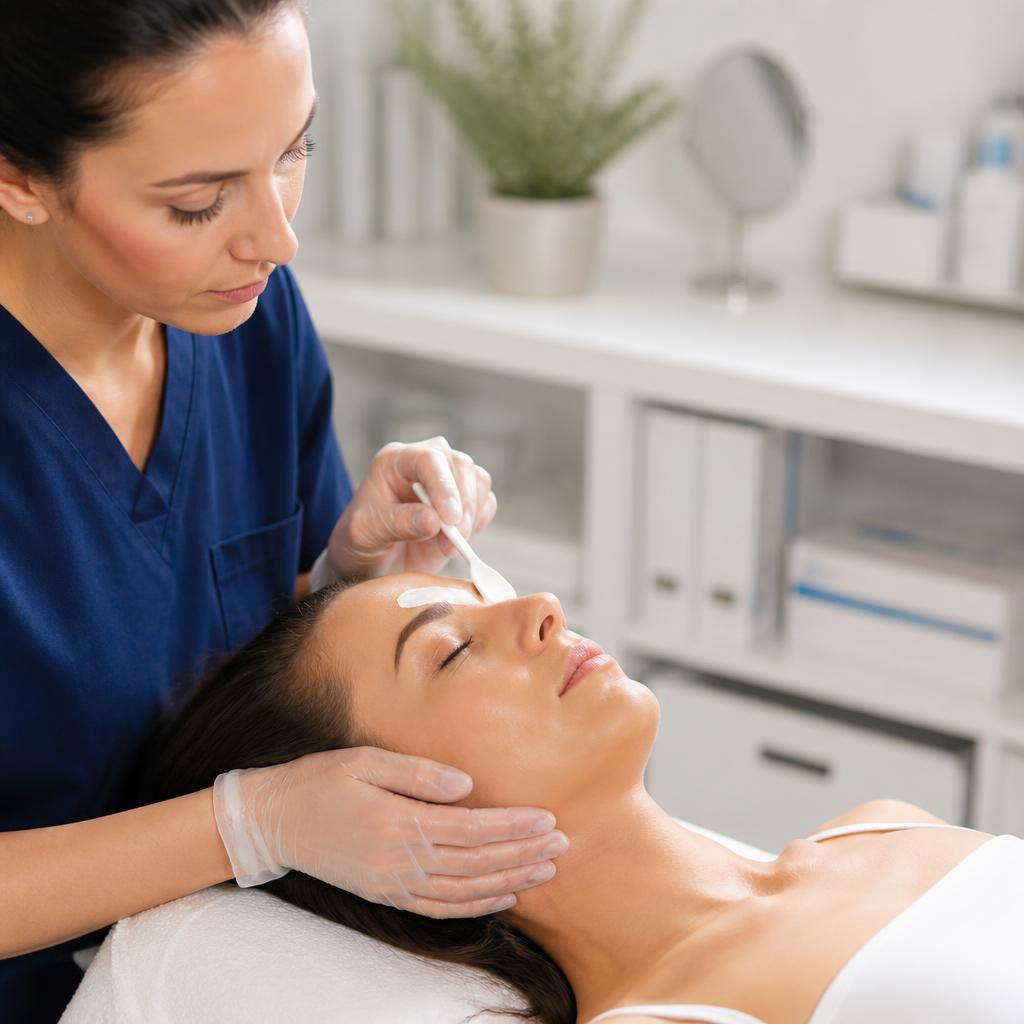
Proper application of numbing cream is crucial for optimal results. Typically, the cream is applied to the treatment area 30 to 60 minutes before the procedure. This allows sufficient time for the anaesthetic to penetrate the skin and take effect. Occlusive dressings can be used to enhance absorption and efficacy. It’s important for practitioners to follow the manufacturer’s guidelines for application and to adjust the timing based on the specific product and individual patient response.
Considerations for Professional Use
When selecting a numbing cream for professional use, practitioners must consider the patient’s medical history and any potential allergies. Some patients may have sensitivities to certain anaesthetics, requiring careful selection and testing of the product. Additionally, the cream’s compatibility with other products used during the procedure should be evaluated to avoid adverse reactions. Professionals must also stay informed about the latest advancements in numbing cream formulations to provide the best care for their clients.
For professionals in the aesthetic field, selecting the right numbing cream is crucial to ensure both efficacy and safety. Lidocaine-based creams are widely preferred due to their proven effectiveness and relatively quick onset of action. These creams are available in various concentrations, allowing practitioners to tailor their use to the specific needs of the procedure and the patient.
Some advanced formulations combine lidocaine with other anaesthetics like prilocaine or tetracaine. These combinations can provide longer-lasting numbing effects, which are particularly beneficial for lengthy procedures. The choice of concentration and combination should be made based on the procedure’s requirements and the patient’s sensitivity.
Ultimately, the goal is to enhance patient comfort while maintaining safety and effectiveness. By selecting the appropriate numbing cream, practitioners can significantly improve the overall experience for their clients, leading to higher satisfaction and better outcomes.