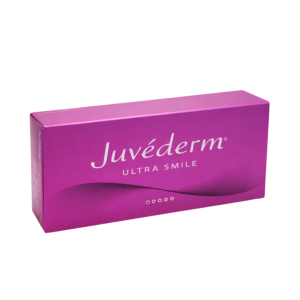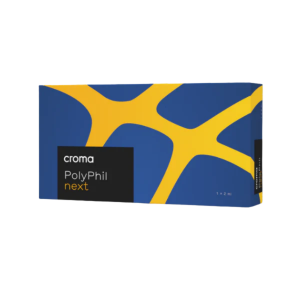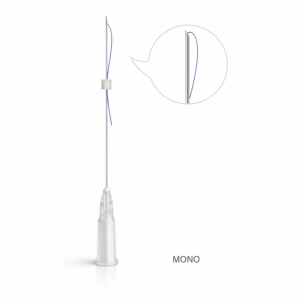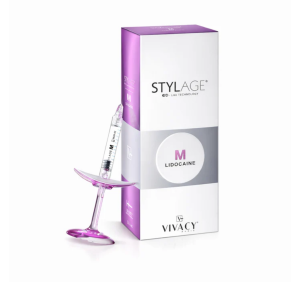

Maintaining and cleaning under-eye treatment accessories is essential for ensuring optimal hygiene and prolonging the lifespan of your tools. By following proper cleaning and maintenance procedures, you can prevent contamination and ensure that your treatments remain effective and safe for your clients. Regular and thorough cleaning is not just a recommendation but a necessity in any professional setting.
Importance of Hygiene in Aesthetic Practices
Adhering to strict hygiene standards is crucial in aesthetic practices to prevent infections and ensure the safety of both practitioners and clients. Under-eye treatment accessories, often in contact with delicate skin, require meticulous care. Contaminated tools can lead to adverse reactions, undermining the treatment’s effectiveness and client trust. Therefore, maintaining cleanliness is not merely about compliance but ensuring the highest standard of care.
Cleaning Techniques for Under-Eye Treatment Accessories
Effective cleaning techniques involve using appropriate cleaning agents and following manufacturer guidelines. Begin by rinsing the accessories under warm water to remove visible residues. Use a mild antibacterial soap or a specialised cleaning solution designed for aesthetic tools. Gently scrub the tools with a soft-bristled brush to reach crevices and ensure all contaminants are removed. Rinse thoroughly and dry with a clean, lint-free cloth to prevent bacterial growth.
Maintenance Tips for Longevity
In addition to regular cleaning, maintaining the condition of under-eye treatment accessories is vital. Store tools in a dry, dust-free environment to prevent damage and contamination. Regularly inspect accessories for signs of wear or damage, replacing them as necessary to maintain optimal performance and hygiene standards. Additionally, ensure that all practitioners are trained in proper cleaning and maintenance procedures to uphold these standards consistently.
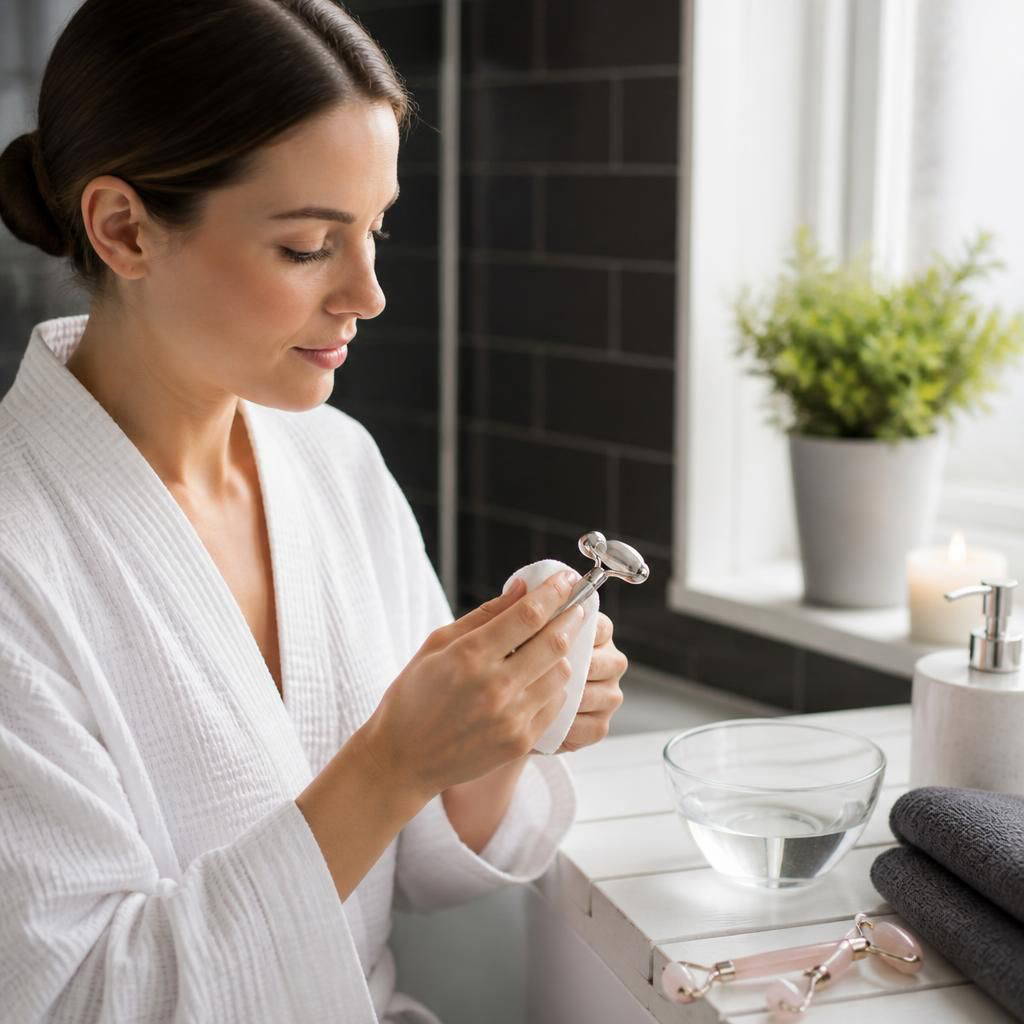
Ensuring the optimal hygiene of under-eye treatment accessories begins with understanding the materials they are made from. Different materials may require specific cleaning agents or techniques to prevent damage while ensuring thorough sanitation. Always refer to the manufacturer’s guidelines for the best cleaning practices tailored to the specific type of accessory.
Incorporating a routine cleaning schedule is essential in maintaining hygiene standards. After each use, promptly clean and disinfect all accessories to prevent the accumulation of bacteria and other contaminants. This habit not only safeguards client health but also extends the life of the tools, making it a cost-effective practice in the long run.
Finally, consider using disposable accessories where appropriate, especially in high-risk or sensitive areas, to further minimise the risk of cross-contamination. This approach, combined with rigorous cleaning protocols for reusable tools, ensures a comprehensive hygiene strategy that reflects professionalism and care in aesthetic practices.