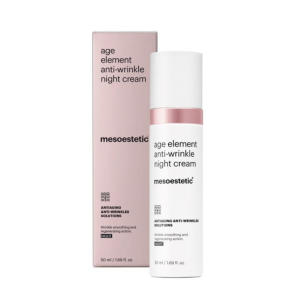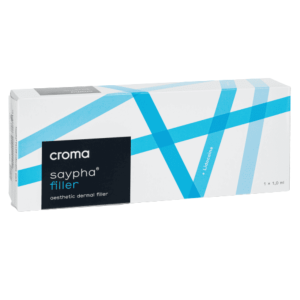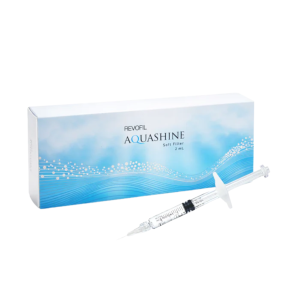

Anti-wrinkle eye treatments can be effective in reducing dark circles, but results can vary based on individual skin types and the specific treatment used. These treatments often target the underlying causes of dark circles, such as thinning skin and pigmentation, by using ingredients that promote collagen production and enhance skin elasticity.
Understanding Dark Circles
Dark circles under the eyes are a common concern for many individuals, often resulting from factors such as genetics, ageing, and lifestyle choices. The skin beneath the eyes is particularly delicate and thin, making it more susceptible to showing signs of fatigue and ageing. As we age, the skin loses collagen and elasticity, which can exacerbate the appearance of dark circles. Additionally, hyperpigmentation and poor circulation can contribute to a darker appearance under the eyes. Understanding these underlying causes is crucial for selecting the most effective treatment method.
Types of Anti-Wrinkle Eye Treatments
There are several types of anti-wrinkle eye treatments available, ranging from topical creams and serums to more advanced procedures like laser therapy and fillers. Topical treatments often include ingredients such as retinol, hyaluronic acid, and vitamin C, which aim to improve skin texture and reduce pigmentation. More invasive treatments, such as laser therapy, target the deeper layers of the skin to stimulate collagen production and improve skin tone. Dermal fillers can also be used to add volume and reduce the appearance of hollows beneath the eyes, which can cast shadows and contribute to dark circles.
Effectiveness and Considerations
When considering eye treatments for dark circles, it is essential to acknowledge that effectiveness can vary based on individual factors such as skin type, age, and the severity of the dark circles. While some individuals may see significant improvement with topical treatments, others may require a combination of therapies for optimal results. Consulting with a trained practitioner can help determine the most suitable treatment approach. Additionally, maintaining a healthy lifestyle, including adequate sleep, hydration, and a balanced diet, can complement these treatments and contribute to overall skin health.
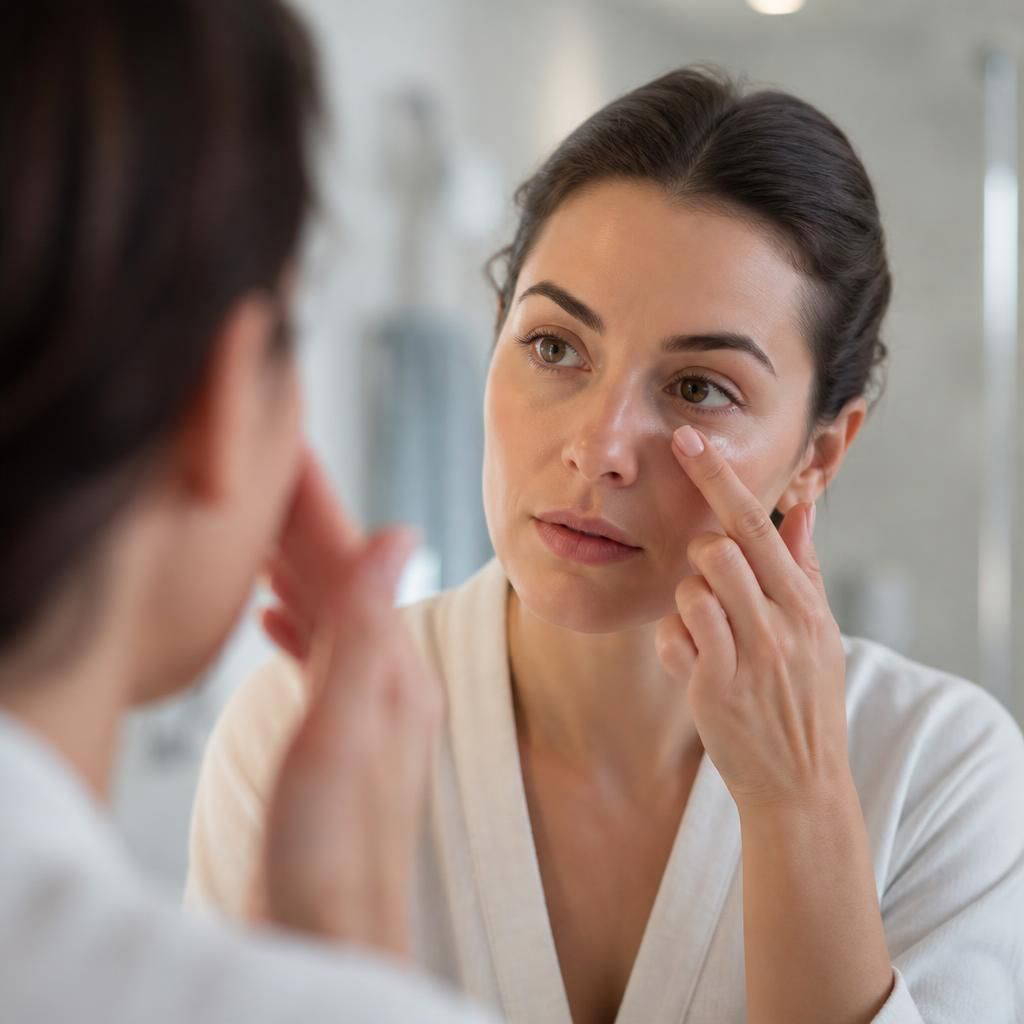
Anti-wrinkle eye treatments specifically target the delicate skin around the eyes to address issues such as dark circles. By enhancing collagen production and improving skin elasticity, these treatments aim to reduce the appearance of dark circles effectively. Topical products containing ingredients like retinol and vitamin C can aid in improving pigmentation and skin texture, while more advanced options like laser therapy offer deeper rejuvenation.
The choice of treatment depends on individual needs and the underlying causes of dark circles. For some, a combination of treatments may yield the best results. Professional guidance from a trained practitioner is recommended to tailor the approach to the individual’s skin type and condition.
Ultimately, the success of anti-wrinkle eye treatments in reducing dark circles varies from person to person. While some may experience significant improvements, others may find that lifestyle adjustments and consistent skincare routines are necessary to achieve and maintain the desired outcome.