
Chin and chin line fillers are generally considered safe for most skin types when administered by a qualified professional. These procedures involve injecting dermal fillers to enhance or reshape the chin area, offering a non-surgical solution to facial contouring. However, the safety and effectiveness can vary depending on individual skin conditions and the specific type of filler used. Consulting with a healthcare professional experienced in cosmetic dermatology is crucial to determine if this treatment is suitable for you.
Understanding Dermal Fillers
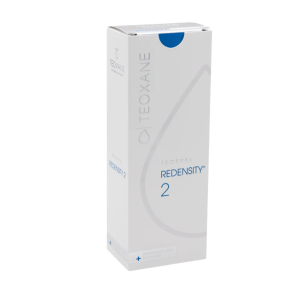
Dermal fillers are gel-like substances injected beneath the skin to restore volume, smooth lines, and enhance facial contours. They are primarily composed of hyaluronic acid, a naturally occurring substance in the skin that helps retain moisture and softness. Fillers can be tailored to meet specific aesthetic goals, making them versatile for various facial enhancements, including the chin and jawline. When considering fillers, understanding the composition and purpose of the product used is essential to ensure its compatibility with your skin type.
Suitability for Different Skin Types
While dermal fillers are generally safe, their suitability can vary based on skin type and individual health conditions. People with certain skin issues, such as severe allergies or skin infections, may need to take extra precautions or consider alternative treatments. Additionally, factors like skin thickness, elasticity, and personal health history should be evaluated to ensure optimal results and minimise risks. A thorough consultation with a trained practitioner can help identify any potential concerns and tailor the treatment to your specific needs.
Potential Risks and Considerations
As with any cosmetic procedure, there are potential risks associated with chin and chin line fillers. Common side effects include temporary redness, swelling, or bruising at the injection site. More serious complications, though rare, can include infection or allergic reactions. To mitigate these risks, it is crucial to choose a qualified and experienced practitioner who follows stringent safety protocols. Discussing your medical history and any concerns you might have with the practitioner can further minimise potential risks and enhance treatment outcomes.
Benefits of Professional Guidance
Engaging with a professional who has extensive experience in administering dermal fillers is vital for achieving the desired aesthetic results safely. Professionals can provide personalised advice, considering your unique facial structure and skin type, to recommend the most suitable filler and technique. Their expertise ensures that the procedure is carried out safely, with an emphasis on achieving natural-looking results that enhance your facial harmony. Continuous education and training in the field of aesthetic treatments also equip professionals with the knowledge to address any concerns and provide post-treatment care effectively.

Chin and chin line fillers offer a non-invasive solution for enhancing facial contours, making them an appealing option for many seeking aesthetic improvements. However, their safety and effectiveness largely depend on the individual’s skin type and health conditions. Consulting with a qualified professional is essential to ensure the treatment is appropriate for you.
The expertise of the practitioner plays a significant role in the safety of the procedure. Choosing a trained and experienced provider ensures that the fillers are administered correctly, reducing the risk of complications. This professional guidance also helps in selecting the right type of filler for your specific needs and skin type.
Ultimately, while chin fillers can be safe for many, personal health factors and the quality of the practitioner are crucial determinants of the treatment’s success. It is recommended to thoroughly discuss your expectations and any concerns with a professional before proceeding with the treatment.