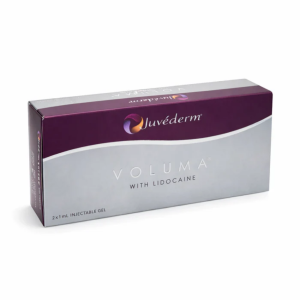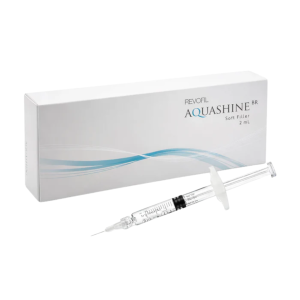

Cheekbone fillers, a popular choice in aesthetic treatments, typically last between 6 to 18 months. The longevity of the results can vary depending on several factors such as the type of filler used, the patient’s metabolism, and the expertise of the practitioner. A patient’s lifestyle and skincare routine can also influence how long the effects are maintained. Understanding these variables can help individuals set realistic expectations and plan for future treatments accordingly.
Types of Fillers and Their Longevity
The type of filler used is one of the primary determinants of how long the results will last. Hyaluronic acid-based fillers are commonly used for cheekbone enhancement and generally last between 6 to 12 months. Other fillers, such as those containing calcium hydroxylapatite, may provide longer-lasting results, often extending up to 18 months. The choice of filler should be tailored to the patient’s specific needs and desired outcomes, ensuring both safety and satisfaction.
Individual Factors Affecting Duration
Individual metabolism plays a crucial role in the longevity of cheekbone fillers. People with faster metabolic rates may find that their bodies break down the filler more quickly, reducing the duration of the results. Additionally, factors such as age, skin type, and overall health can impact how long the filler lasts. For example, younger individuals often experience quicker absorption of the filler, necessitating more frequent touch-ups to maintain the desired appearance.
The Role of Practitioner Expertise
The skill and experience of the practitioner administering the filler also significantly affect the treatment’s outcome and duration. A qualified and experienced practitioner will be able to accurately assess the patient’s facial anatomy and select the appropriate filler type and volume. This precision not only ensures optimal aesthetic results but also contributes to the longevity of the treatment. Patients are encouraged to seek practitioners who are trained and experienced in dermal filler applications to maximize the benefits and safety of their procedures.
Cheekbone fillers offer a non-surgical option for enhancing facial contours, providing a youthful and lifted appearance. The duration of the results is influenced by the type of filler used, with hyaluronic acid fillers lasting between 6 to 12 months and other types potentially extending up to 18 months. Individual factors such as metabolism and lifestyle choices also play a significant role in determining how long the effects will last.
Patients should be aware that regular maintenance treatments are often necessary to sustain the desired look. Consistent follow-ups with a qualified practitioner can help manage expectations and plan future sessions effectively. By understanding the variables that affect the longevity of cheekbone fillers, patients can make informed decisions about their aesthetic treatments.
Ultimately, the expertise of the practitioner is crucial in achieving optimal results. Skilled professionals can tailor treatments to individual needs, ensuring both the safety and satisfaction of the patient. This personalised approach not only enhances the results but also contributes to the overall longevity of the treatment.