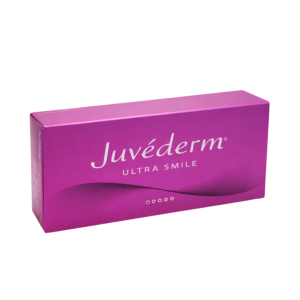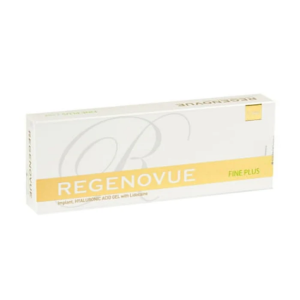

Cheek fillers typically last between 6 to 18 months. The longevity of cheek fillers can vary based on several factors, including the type of filler used, the individual’s metabolism, and lifestyle choices. Most clients find that their fillers start to diminish around the 12-month mark, though some may experience longer-lasting effects. Understanding the expected duration can help in planning subsequent treatments to maintain the desired aesthetic appearance.
Factors Influencing Longevity
The lifespan of cheek fillers is largely dependent on the type of filler product used. Hyaluronic acid-based fillers, the most common type, generally last between 6 to 12 months. However, some newer formulations can extend the duration to up to 18 months. Individual metabolism also plays a significant role, as those with faster metabolisms may break down the filler more quickly. Additionally, lifestyle factors such as smoking, sun exposure, and overall skin health can impact the longevity of the results.
Signs You Need a Touch-Up
Clients may notice a gradual decrease in volume or definition in the treated area as the filler starts to wear off. This can be subtle initially, but over time, the changes become more noticeable. Most clients opt for touch-ups when they start to see these changes, typically around the 12-month mark. It’s important to consult with a trained practitioner to assess the need for additional treatment and to ensure the fillers are maintained in a safe and effective manner.
Benefits of Timely Touch-Ups
Scheduling regular touch-ups can help maintain the desired aesthetic appearance and prevent the complete dissipation of the fillers, which might require a more significant application to restore the initial results. Regular maintenance also allows for adjustments to be made, taking into account any changes in facial structure or personal preferences. Expert practitioners can provide guidance on the optimal timing for touch-ups, ensuring that the results remain consistent and natural-looking.
Cheek fillers offer a temporary yet effective solution for enhancing facial volume and contour. The typical duration of 6 to 18 months allows for flexibility in maintaining the desired look with periodic touch-ups. For optimal results, it’s crucial to monitor the gradual changes in volume and consult with a qualified practitioner to determine the appropriate timing for additional treatments.
Understanding the factors that influence the longevity of cheek fillers can help in making informed decisions about future treatments. Choosing the right type of filler, maintaining a healthy lifestyle, and avoiding excessive sun exposure can contribute to longer-lasting results. An experienced practitioner can provide tailored advice based on individual needs and preferences.
Regular touch-ups not only sustain the aesthetic benefits of cheek fillers but also offer opportunities to adapt to any changes in facial structure or personal style. By working closely with a trusted professional, clients can ensure that their appearance remains harmonious and balanced over time.