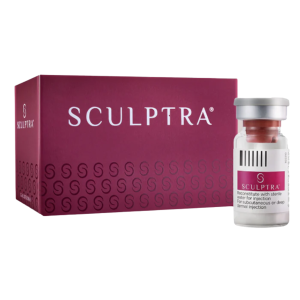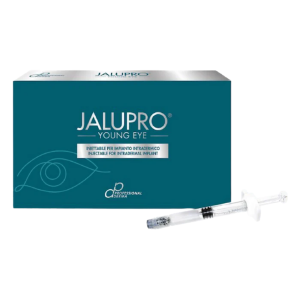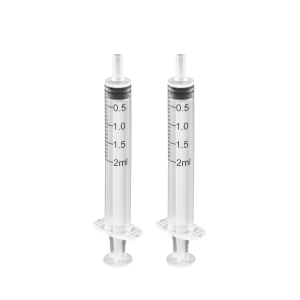

Non-surgical chin augmentation is generally considered safe when performed by a qualified and experienced practitioner. However, as with any medical procedure, there are potential risks and side effects that patients should be aware of before undergoing treatment. This procedure typically involves the use of dermal fillers to enhance the chin’s appearance, and while it is minimally invasive, it is not without its considerations.
The Procedure and Its Safety
Non-surgical chin augmentation is performed using injectable dermal fillers, which are administered to the target area to reshape and enhance the chin’s profile. The procedure is relatively quick, often taking less than an hour, and does not require anaesthesia, making it a popular choice for those seeking subtle enhancements without the commitment of surgery. The safety of the procedure largely depends on the expertise of the practitioner and the quality of the products used. Adverse reactions are rare, but choosing a reputable clinic with trained professionals can significantly mitigate risks.
Potential Side Effects
While non-surgical chin augmentation is generally safe, patients should be informed of possible side effects. Common side effects include temporary swelling, bruising, and redness at the injection site, which typically resolve within a few days. In rare cases, patients may experience more severe reactions such as infection, allergic responses, or filler migration, which underscores the importance of selecting a qualified professional to perform the procedure. Patients should have a detailed consultation with their practitioner to discuss their medical history and any potential risks specific to their situation.
Long-term Considerations
One of the benefits of non-surgical chin augmentation is that it offers a temporary solution, allowing patients to decide if they are satisfied with the results before considering more permanent options. However, this also means that touch-up treatments will be necessary to maintain the desired look, as the effects of dermal fillers typically last between six months to two years, depending on the type of filler used. Patients should weigh the benefits of temporary enhancement against the commitment to periodic treatments.
Conclusion
In summary, non-surgical chin augmentation is a safe and effective option for those looking to enhance their chin’s appearance without undergoing surgery. By choosing an experienced practitioner and understanding the potential side effects and long-term considerations, patients can make informed decisions about their cosmetic goals. It is crucial for individuals to have realistic expectations and to communicate openly with their practitioner to achieve the best possible outcome.

Non-surgical chin augmentation offers a safe alternative to surgical procedures, particularly for those seeking minor enhancements. The use of dermal fillers allows for immediate results with minimal downtime, making it an attractive option for many. However, the success and safety of the procedure heavily rely on the expertise of the practitioner and the quality of the products used.
Potential side effects are generally mild and temporary, including swelling and bruising. These can be managed with proper post-treatment care and typically resolve quickly. It is important for patients to be aware of these possibilities and to choose a reputable clinic to minimize risks.
Long-term satisfaction with non-surgical chin augmentation depends on maintaining results through periodic treatments, as the effects of fillers are not permanent. This allows for flexibility in cosmetic goals but requires a commitment to ongoing care. Patients should discuss all aspects of the procedure with their practitioner to ensure a clear understanding of expectations and outcomes.