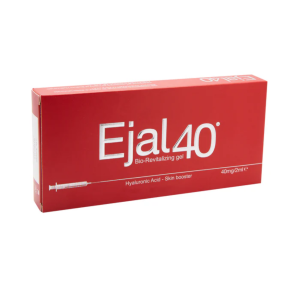

Forehead lines and glabellar fillers, while generally considered safe, do carry potential risks and side effects. These may include swelling, bruising, or redness at the injection site, and in rare cases, more serious complications such as infection or vascular occlusion. It is crucial for both practitioners and clients to be aware of these risks to ensure informed decision-making and safe practices.
Understanding Common Side Effects
Common side effects of dermal fillers for forehead lines and glabellar areas typically include mild to moderate swelling, bruising, and redness. These reactions are usually temporary and subside within a few days. Some individuals may also experience tenderness or a slight itching sensation around the treated area. These side effects are generally manageable and do not pose significant health concerns when addressed by a trained professional.
Rare but Serious Risks
While uncommon, there are serious risks associated with dermal fillers. Vascular occlusion, where a blood vessel is inadvertently blocked, can lead to tissue necrosis if not promptly addressed. Infections, though rare, can occur if proper sterilisation protocols are not followed. Blindness is an extremely rare but documented risk when fillers are incorrectly administered near the eyes. These potential complications highlight the importance of choosing qualified practitioners for such procedures.
Ensuring Safe Practices
To mitigate risks, it is essential for practitioners to have comprehensive training and knowledge of facial anatomy. Clients should ensure that they are receiving treatments in a reputable clinic that adheres to hygiene and safety standards. Pre-treatment consultations should be thorough, discussing medical history and potential contraindications. Post-treatment care is equally important, with clients advised to follow aftercare instructions closely to promote healing and minimise side effects.

Choosing a qualified and experienced practitioner is vital in minimising risks associated with forehead lines and glabellar fillers. Practitioners should possess a deep understanding of facial anatomy and be skilled in the use of fillers to avoid complications. Clients are encouraged to research practitioners thoroughly, checking credentials and seeking reviews or recommendations.
Informed consent is a crucial step in the treatment process. Clients should be provided with detailed information about potential side effects and risks, enabling them to make an educated decision about proceeding with treatment. A comprehensive consultation ensures that both the practitioner and client are aligned in their expectations and understanding of the procedure.
Post-treatment care plays a significant role in reducing the likelihood of adverse effects. Clients should adhere to aftercare instructions provided by their practitioner, which may include avoiding strenuous activities, excessive sun exposure, and certain skincare products for a specified period. This care helps to ensure optimal results and minimise any discomfort or complications following the treatment.