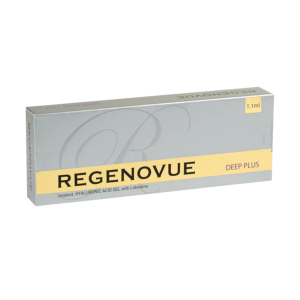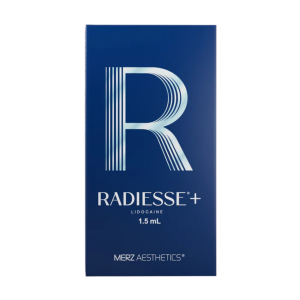

When considering treatments for forehead lines, both Botox and dermal fillers are popular options, each with distinct mechanisms and outcomes. Botox, a neurotoxin, works by temporarily paralysing muscles beneath the skin, preventing them from contracting and causing wrinkles. In contrast, dermal fillers are gel-like substances injected beneath the skin to add volume and smooth out wrinkles. The choice between the two depends on the specific needs and desired results of the patient.
Mechanism of Action
Botox, or botulinum toxin, functions by blocking nerve signals in the muscles where it is injected. This paralysis reduces muscle activity, which is a primary cause of dynamic wrinkles, such as those found on the forehead. This treatment is particularly effective for lines that are caused by repeated muscle movements, such as frowning or squinting. On the other hand, dermal fillers work by adding volume to the skin. They are typically composed of hyaluronic acid, a naturally occurring substance in the skin that helps maintain its plumpness and moisture. By filling in and lifting the skin, dermal fillers can effectively smooth out static wrinkles and fine lines.
Duration of Results
The longevity of results is another key difference between Botox and dermal fillers. Botox typically provides results that last between three to six months, after which the treatment must be repeated to maintain the effects. This makes Botox a suitable option for those seeking temporary improvement. Dermal fillers, however, can last from six months to over a year, depending on the type of filler used and the individual’s skin condition. Some fillers even stimulate collagen production, potentially extending the duration of the results.
Application and Suitability
When it comes to application, Botox is primarily used to treat dynamic wrinkles, making it ideal for forehead lines caused by muscle movement. It is less effective on static wrinkles, which are better addressed by dermal fillers. Fillers are injected into the skin to restore lost volume and smooth out wrinkles, making them suitable for static lines and volume loss. The choice between Botox and fillers depends on the specific type of lines and the desired aesthetic outcome. Consulting with a qualified practitioner is crucial to determine the most appropriate treatment for each individual case.
Botox and dermal fillers serve different purposes, and understanding these distinctions is crucial for effective treatment of forehead lines. Botox targets dynamic wrinkles by temporarily immobilising the muscles that cause them, offering a smoother appearance. It is particularly beneficial for those with pronounced expression lines.
In contrast, dermal fillers address volume loss and static wrinkles. They are injected to fill in wrinkles and add fullness to the skin, making them ideal for individuals experiencing skin sagging or deep-set lines. Fillers can also enhance the skin’s hydration and elasticity.
Ultimately, the choice between Botox and dermal fillers should be guided by the patient’s specific needs and the nature of their forehead lines. A consultation with a qualified practitioner can provide insights into which treatment, or combination of treatments, will deliver the best results for a youthful and rejuvenated appearance.