
Teosyal Redensity II is generally considered safe for use in forehead wrinkle reduction, but like any medical treatment, it may have potential side effects. These can vary from person to person and may depend on factors such as individual health conditions and the specific techniques used by the practitioner. It is essential for patients to discuss their medical history and any concerns with their healthcare provider before undergoing treatment.
Possible Side Effects
Common side effects associated with Teosyal Redensity II include temporary redness, swelling, or bruising at the injection site. These effects are typically mild and resolve on their own within a few days. Some patients may experience tenderness or itching, which can also subside without intervention. While these are the more frequent reactions, they are generally manageable and do not pose significant health risks.
Rare Adverse Effects
In rare cases, patients might experience more serious side effects. These could include allergic reactions, infection, or nodules forming under the skin. Although uncommon, these adverse effects require immediate medical attention. Practitioners are equipped to handle such situations and may provide specific aftercare instructions to address any complications that arise. It is crucial for patients to follow these guidelines to ensure a safe recovery.
Importance of Professional Consultation
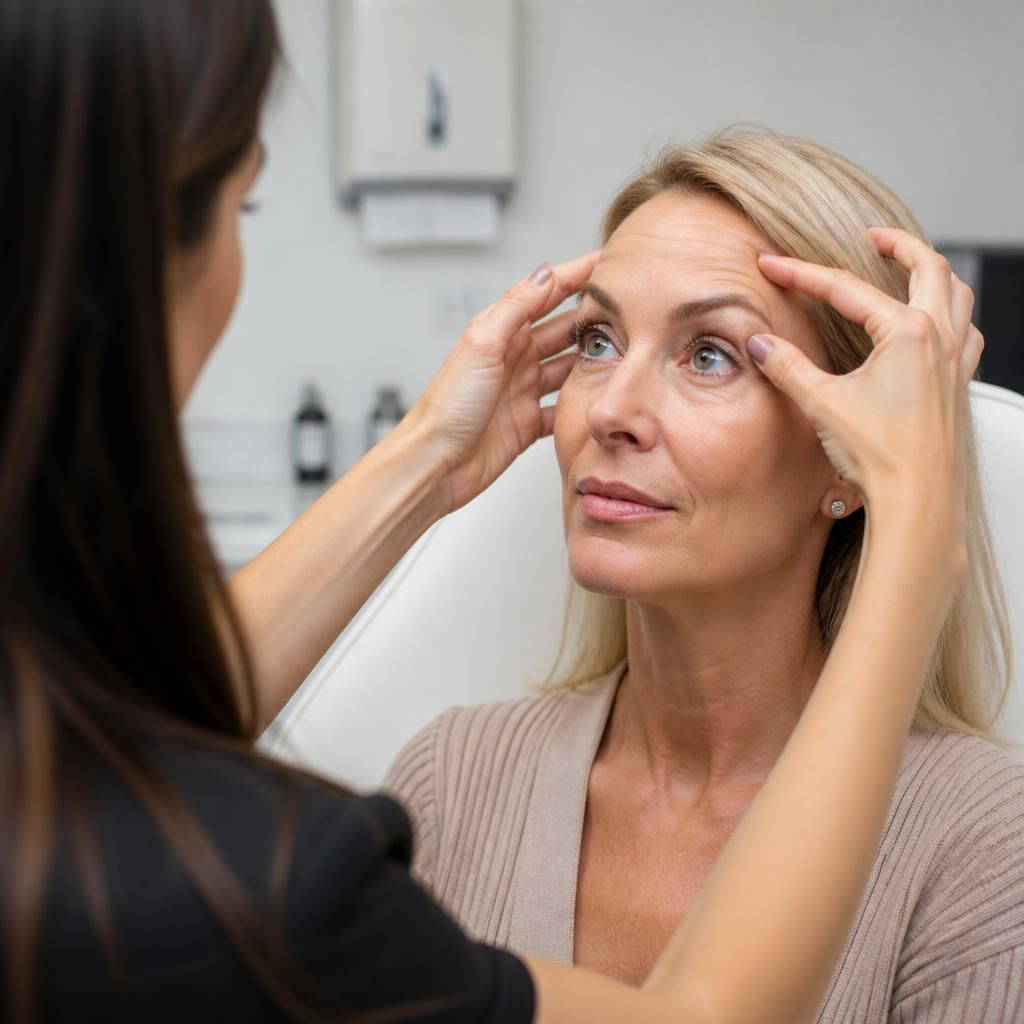
Consulting with a qualified and experienced practitioner is vital to minimise risks associated with Teosyal Redensity II. An expert can assess the suitability of the treatment based on an individual’s specific needs and health background. This consultation can help in identifying any potential contraindications and in crafting a plan that aligns with the patient’s aesthetic goals while prioritising safety. Moreover, a skilled practitioner can ensure proper injection techniques, further reducing the likelihood of adverse effects.
Teosyal Redensity II is a hyaluronic acid-based filler designed to address wrinkles and volume loss. Its use in forehead wrinkle reduction is popular due to its effective results and minimal recovery time. While the treatment is generally safe, understanding the potential side effects is crucial for informed decision-making.
Temporary side effects such as redness, swelling, or bruising are common and usually resolve without intervention. However, patients should be aware of the possibility of rare but serious complications, including allergic reactions or infections. These require prompt medical attention to prevent further issues.
Choosing a qualified practitioner is essential in mitigating risks. An expert can tailor the treatment to individual needs and monitor for any adverse effects. By ensuring proper technique and post-treatment care, patients can achieve their desired outcomes safely. Always discuss any concerns with your healthcare provider prior to undergoing treatment.