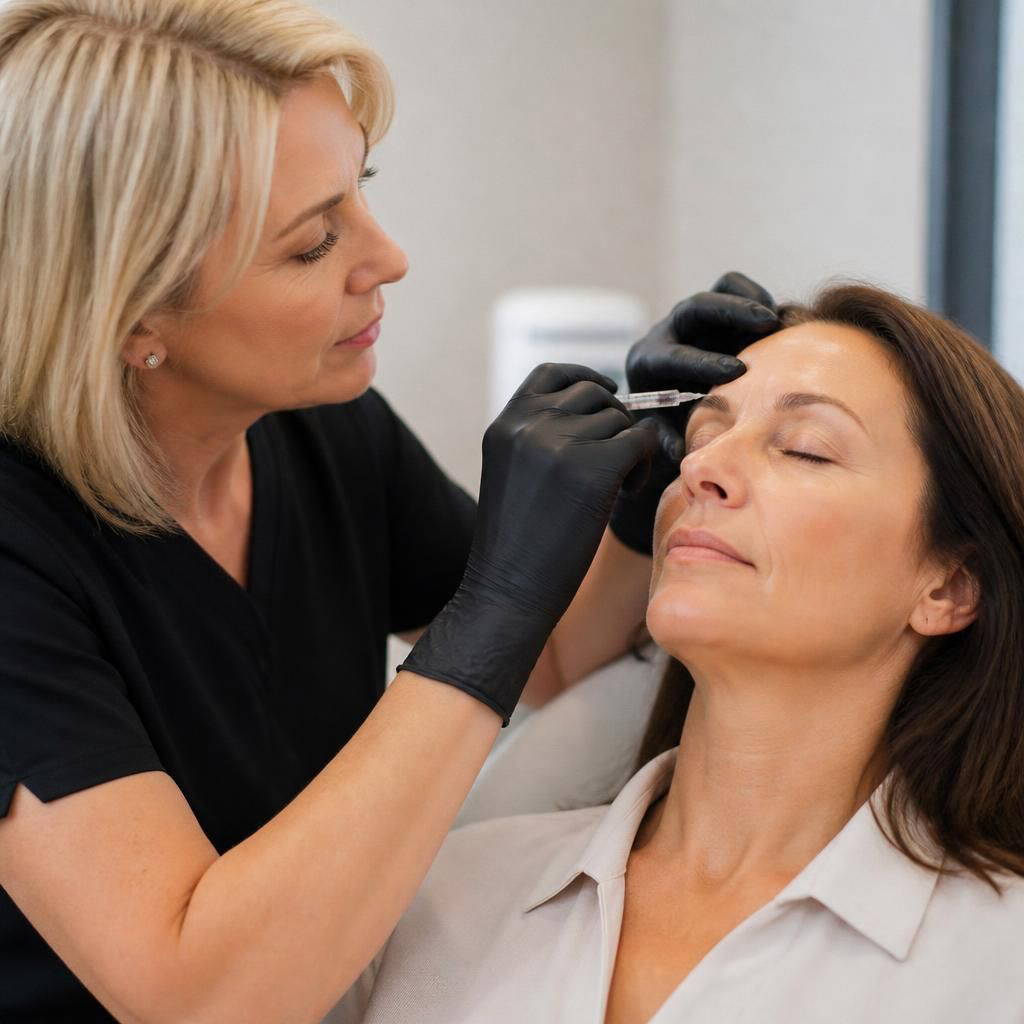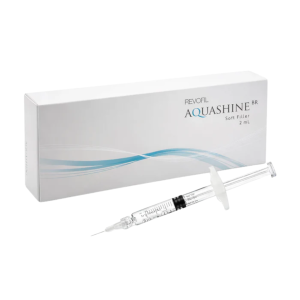

Choosing the right filler for glabellar lines and forehead treatments involves understanding the specific needs of your patient and the properties of various dermal fillers. The glabellar region, commonly known as the area between the eyebrows, and the forehead are dynamic areas that often require specialised products to achieve optimal results. Factors such as the depth of the lines, skin type, and desired outcome must be considered to ensure the selection of an appropriate filler.
Understanding Filler Composition
Dermal fillers are primarily composed of substances like hyaluronic acid, calcium hydroxylapatite, and poly-L-lactic acid. Hyaluronic acid fillers are commonly used due to their biocompatibility and reversible nature. They effectively add volume and smooth out wrinkles, making them a popular choice for forehead and glabellar lines. Calcium hydroxylapatite, a thicker filler, is often used for deeper lines, providing structure and support. Understanding the composition and characteristics of these fillers is essential for selecting the right product.
Assessment of Patient Needs
Every patient presents unique anatomical features and aesthetic goals, necessitating a customised approach to filler selection. During consultations, assess the patient’s skin condition, the severity of lines, and their expectations. For superficial lines, a softer filler might be suitable, while deeper lines may require a more robust product. Consider the patient’s age, skin type, and any previous treatments they have undergone to make an informed decision.
Techniques and Considerations
Effective administration of fillers in the glabellar and forehead areas demands precision and expertise. It is crucial to understand the anatomy of these areas to avoid complications such as vascular occlusion. Employing techniques like microdroplet injections and understanding the right injection depth can significantly impact the results. Moreover, consider the longevity of the filler and the desired frequency of maintenance treatments. These factors, combined with a thorough understanding of the filler properties, guide the selection process, ensuring patient satisfaction and safety.
When selecting a filler for glabellar lines, it is crucial to match the product to the specific needs of the patient. Hyaluronic acid fillers are versatile and often preferred due to their ability to integrate well into the skin and their reversible nature. This makes them ideal for first-time treatments or for patients who may require adjustments.
For patients with deeper lines or those seeking longer-lasting results, products containing calcium hydroxylapatite may be more suitable. These fillers provide a firmer structure and are often used to achieve more pronounced lifting effects. The choice depends on the patient’s skin type and the extent of volume loss.
Ultimately, successful filler selection involves a combination of understanding the patient’s aesthetic goals, their skin characteristics, and the specific properties of the available fillers. This ensures that the treatment enhances facial harmony and delivers natural-looking results.