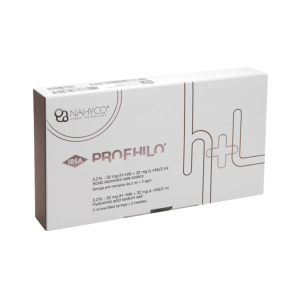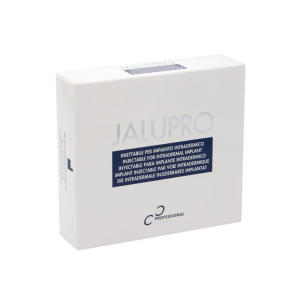

The effects of forehead line fillers, specifically in the glabella area, typically last between three to six months. However, this duration can vary based on several factors, including the type of filler used, the individual’s skin type, and their unique physiology. Understanding these variables can help manage expectations and plan for subsequent treatments.
Understanding Glabella Fillers
Forehead line fillers, commonly referred to as glabella fillers, are a popular non-surgical option for reducing wrinkles and fine lines between the eyebrows. These fillers generally consist of hyaluronic acid, a substance naturally found in the body, which helps to plump the skin and fill in wrinkles. The choice of filler can impact how long the effects last. For instance, some fillers are designed to be more durable, while others might be absorbed quicker by the body.
Factors Affecting Longevity
Several factors influence how long the effects of glabella fillers last. The metabolism of the individual plays a significant role, as a faster metabolism can lead to quicker absorption and, consequently, a shorter duration of the effects. Additionally, lifestyle factors such as smoking, sun exposure, and skincare routines can also impact the longevity of the filler. It is also worth noting that repeated treatments can lead to longer-lasting effects over time, as the filler can stimulate collagen production in the skin.
Maintenance and Follow-up
To maintain the desired results, regular follow-up treatments are recommended. These follow-up sessions can be scheduled every three to six months, depending on how quickly the individual metabolises the filler. Practitioners may also adjust the type and amount of filler used based on the client’s previous experiences and desired outcomes. It is crucial for clients to have realistic expectations and understand that while fillers can significantly reduce the appearance of wrinkles, they are not a permanent solution.
Consultation and Personalisation
Every individual is unique, and a personalised approach is essential when considering glabella fillers. A thorough consultation with a qualified practitioner can help determine the most suitable type of filler and treatment plan. During the consultation, factors such as skin type, age, lifestyle, and aesthetic goals should be discussed to ensure optimal results. By understanding the nuances of filler longevity and the factors that affect it, clients can make informed decisions and enjoy the benefits of a smoother, more youthful appearance.

Forehead line fillers, particularly those used in the glabella region, provide temporary results that typically last three to six months. The exact duration depends on several factors, including the type of filler used and individual differences such as skin type and metabolism. Understanding these variables can help manage client expectations effectively.
The longevity of glabella fillers is influenced by lifestyle choices and environmental factors. For instance, sun exposure and smoking can accelerate the breakdown of fillers, reducing their effective duration. Regular maintenance treatments, adjusted to the individual’s needs, can help sustain the desired results over time.
Consultation with a qualified practitioner is essential to determine the most suitable filler and treatment plan. A personalised approach, considering the client’s unique physiology and aesthetic goals, ensures optimal outcomes. By setting realistic expectations and planning follow-up treatments, clients can enjoy the benefits of a smoother, more youthful appearance with minimal interruptions to their routine.