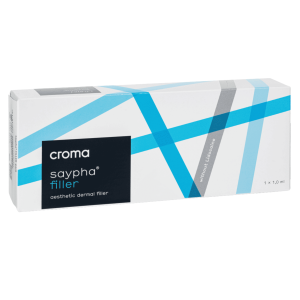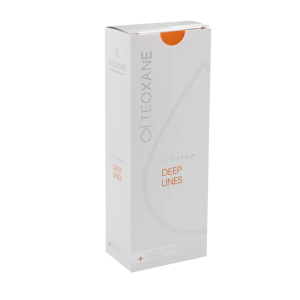

Choosing the right dermal filler for treating forehead lines and the glabellar region involves understanding the specific needs of these facial areas and the properties of available fillers. Forehead lines and the glabellar region, often referred to as ‘frown lines’, can be effectively treated with dermal fillers that provide volume and smoothness to the skin. The choice of filler depends on factors such as the depth of the lines, skin type, and desired longevity of results. Consulting with a qualified practitioner who understands facial anatomy and filler characteristics is crucial for achieving optimal outcomes.
Understanding Facial Anatomy and Skin Type
Before selecting a dermal filler, it is essential to consider the unique anatomical features of the forehead and glabellar regions. These areas are prone to dynamic wrinkles caused by muscle movement, which often require specific filler properties to achieve a natural look. Additionally, understanding the patient’s skin type can guide the choice of filler material, as some fillers are better suited for thicker skin, while others may be more appropriate for thinner, more delicate skin.
Types of Dermal Fillers
The market offers various types of dermal fillers, each with distinct properties. Hyaluronic acid fillers are commonly used due to their hydrating effects and reversibility. Calcium hydroxylapatite fillers offer longer-lasting results and are suitable for deeper lines. Poly-L-lactic acid fillers stimulate collagen production, providing gradual and natural-looking improvements. Understanding these differences helps in selecting a filler that aligns with the desired treatment outcomes and patient preferences.
Consultation and Customisation
A thorough consultation with a trained aesthetic practitioner is vital for customising the treatment plan. During the consultation, the practitioner will assess the patient’s facial structure, discuss aesthetic goals, and evaluate any previous treatments. This personalised approach ensures that the chosen dermal filler meets the specific needs of the forehead and glabellar regions, enhancing the overall appearance while maintaining facial harmony. Customisation is key to achieving results that are both effective and aesthetically pleasing.
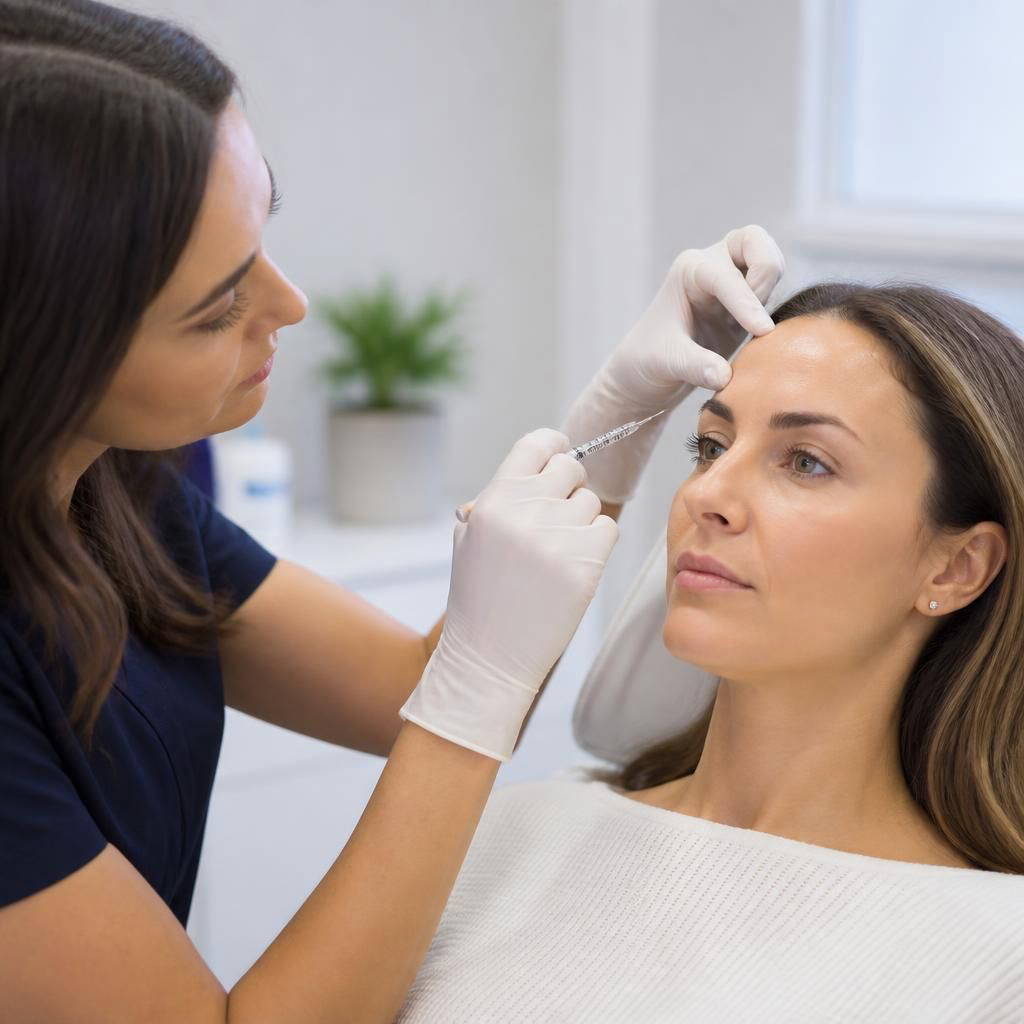
When selecting a dermal filler for forehead lines and the glabellar region, it is important to consider the specific characteristics of these areas. The forehead and glabellar lines are often dynamic, resulting from repetitive muscle movements, which means that fillers with flexibility and the ability to integrate with facial expressions are typically preferred.
An experienced practitioner will evaluate factors such as the depth and location of the lines, skin elasticity, and previous treatment history. This assessment helps in determining the most suitable filler type and technique for achieving a natural and youthful appearance.
Ultimately, the choice of dermal filler should be guided by a comprehensive understanding of the available options and their respective benefits. By working closely with a skilled practitioner, patients can ensure that the selected treatment aligns with their aesthetic goals while prioritising safety and efficacy.