
Wrinkle fillers, or dermal fillers, are injectable substances used to reduce the appearance of wrinkles and fine lines in the forehead and glabellar area. The primary differences between these fillers lie in their composition, longevity, and specific application techniques. Understanding these differences is crucial for practitioners to deliver optimal results for their clients.
Types of Wrinkle Fillers
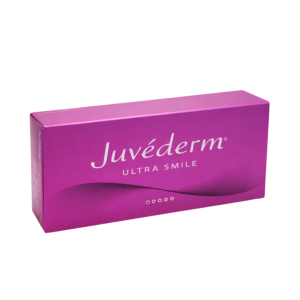
There are several types of wrinkle fillers available, each with unique characteristics. Hyaluronic acid fillers, such as Restylane and Juvederm, are popular due to their ability to provide immediate results and their natural compatibility with the body. Collagen-based fillers, although less common today, were once the standard and are still used for their natural feel and appearance. Calcium hydroxylapatite fillers, like Radiesse, offer longer-lasting results and are often used for deeper lines. Each type of filler has its own set of benefits and potential drawbacks, which must be considered when choosing the right product for a client.
Longevity and Effectiveness
One of the key factors in selecting a wrinkle filler is its longevity. Hyaluronic acid fillers typically last between six to eighteen months, depending on the specific product and the area treated. Calcium hydroxylapatite fillers generally provide results for up to a year or more. The longevity of a filler not only affects the frequency of treatments required but also impacts the overall cost and client satisfaction. It is essential for practitioners to discuss the expected duration of results with their clients to align expectations and ensure a successful treatment outcome.
Application Techniques
The application technique also plays a significant role in the effectiveness of wrinkle fillers. Proper injection technique is crucial to avoid complications and achieve natural-looking results. The depth and angle of injection, as well as the amount of product used, can vary depending on the specific filler and the area being treated. Practitioners must be well-trained and experienced in these techniques to provide the best possible outcomes for their clients. Continuous education and training are vital to stay updated on the latest advancements and techniques in the field of aesthetic medicine.

When choosing a wrinkle filler for the forehead and glabellar area, it is essential to consider the specific needs and expectations of the client. Different fillers offer varying levels of firmness and flexibility, which can impact the final result. For example, some clients may prefer a softer filler for a more natural look, while others might opt for a firmer product to achieve more dramatic results.
Additionally, understanding the potential side effects and risks associated with each type of filler is crucial. Common side effects include swelling, bruising, and redness at the injection site. However, these are generally temporary and resolve within a few days. More serious complications, although rare, can occur, highlighting the importance of choosing a qualified and experienced practitioner.
Ultimately, selecting the right wrinkle filler involves a thorough consultation with the client to assess their goals, skin type, and medical history. This personalised approach ensures that the chosen treatment aligns with the client’s expectations and delivers satisfactory results.