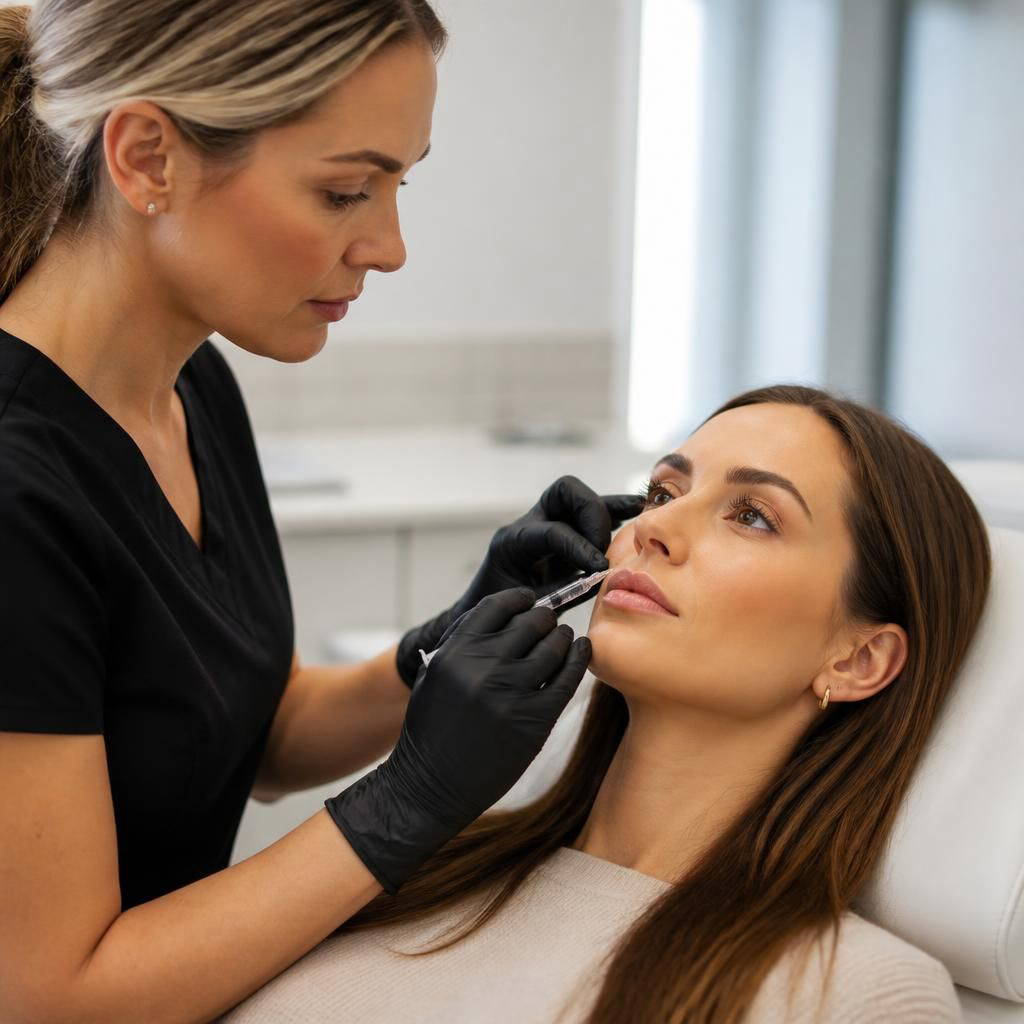

To ensure the best results when administering cheek and cheekbone fillers, aesthetic professionals must focus on precise technique, thorough patient assessment, and ongoing education. It is essential to understand the anatomy of the face and use high-quality products to achieve optimal outcomes. Communication with patients about their goals and expectations is also crucial to ensure satisfaction.
Understanding Facial Anatomy
Having an in-depth understanding of facial anatomy is vital for any aesthetic professional administering cheek fillers. Knowing the underlying structures, such as bones, muscles, and blood vessels, helps in accurately placing the filler and avoiding complications. Professionals should stay updated with the latest anatomical research and utilise 3D facial mapping tools if available. This foundational knowledge not only aids in delivering natural-looking results but also minimises the risk of adverse effects.
Product Selection and Technique
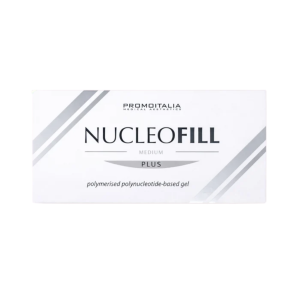
Choosing the right filler product is crucial for achieving the desired aesthetic results. Professionals should select fillers that are specifically designed for the cheek area, considering factors such as viscosity, longevity, and patient-specific needs. Employing the correct injection technique, whether using a needle or cannula, is also important. Proper technique ensures even distribution and integration of the filler into the tissue, enhancing both volume and contour.
Patient Consultation and Aftercare
Effective communication during patient consultations is key to understanding their aesthetic goals and managing expectations. Discussing potential outcomes, risks, and the importance of aftercare can help in building trust and ensuring patient satisfaction. Post-treatment care, including advice on avoiding strenuous activities and exposure to extreme temperatures, is important for maintaining the results and reducing the risk of complications.
To consistently achieve successful results with cheek and cheekbone fillers, ongoing education is a critical component for aesthetic professionals. Attending workshops, seminars, and training sessions helps practitioners refine their skills and stay informed about the latest techniques and products. This commitment to continuous learning ensures that professionals can offer the safest and most effective treatments to their patients.
Moreover, documenting patient outcomes and reviewing these records can provide valuable insights into the efficacy of different approaches. By analysing past cases, professionals can identify patterns in successful treatments and make informed adjustments to their techniques. This data-driven approach supports the delivery of personalised care and enhances overall patient satisfaction.
Finally, fostering a supportive network with other professionals in the field can be beneficial. Sharing experiences and insights with peers allows for the exchange of valuable knowledge and best practices, contributing to a higher standard of care across the industry.