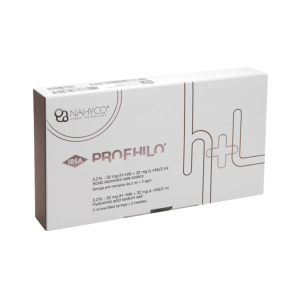

Achieving optimal results with jawline and jaw fillers involves a combination of technical skill, understanding of facial anatomy, and effective communication with clients. Trained practitioners must not only be proficient in the application techniques but also stay informed about the latest advancements and guidelines in aesthetic treatments. Ensuring client satisfaction and safety is paramount, and this can be accomplished through meticulous planning and execution of the filler procedures.
Understanding Facial Anatomy
A comprehensive understanding of facial anatomy is crucial for practitioners administering jawline fillers. This knowledge allows professionals to accurately assess the client’s unique facial structure and determine the most suitable filler type and volume for the desired outcome. Recognising the key anatomical landmarks helps in preventing complications and achieving a natural-looking enhancement. Continuous education in facial anatomy and staying updated with current trends and techniques are essential for maintaining a high standard of practice.
Utilising the Right Techniques
Mastering the correct injection techniques is vital for achieving optimal results with jawline fillers. Practitioners should be adept at using cannulas or needles, depending on the specific requirements of the treatment area. The choice between different techniques can influence the final results significantly. Practitioners should also be familiar with the properties of various filler products, as different formulations may be suited for different effects. Tailoring the approach to each client’s needs ensures both aesthetic success and client satisfaction.
Effective Client Communication
Communication is a key element in ensuring client satisfaction and achieving desired results. Practitioners should clearly explain the procedure, expected outcomes, potential risks, and aftercare requirements to clients. Setting realistic expectations and discussing any concerns beforehand can help in building trust and ensuring a positive experience. Continuous dialogue throughout the treatment process allows for adjustments and reassures clients, ultimately enhancing the overall success of the procedure.
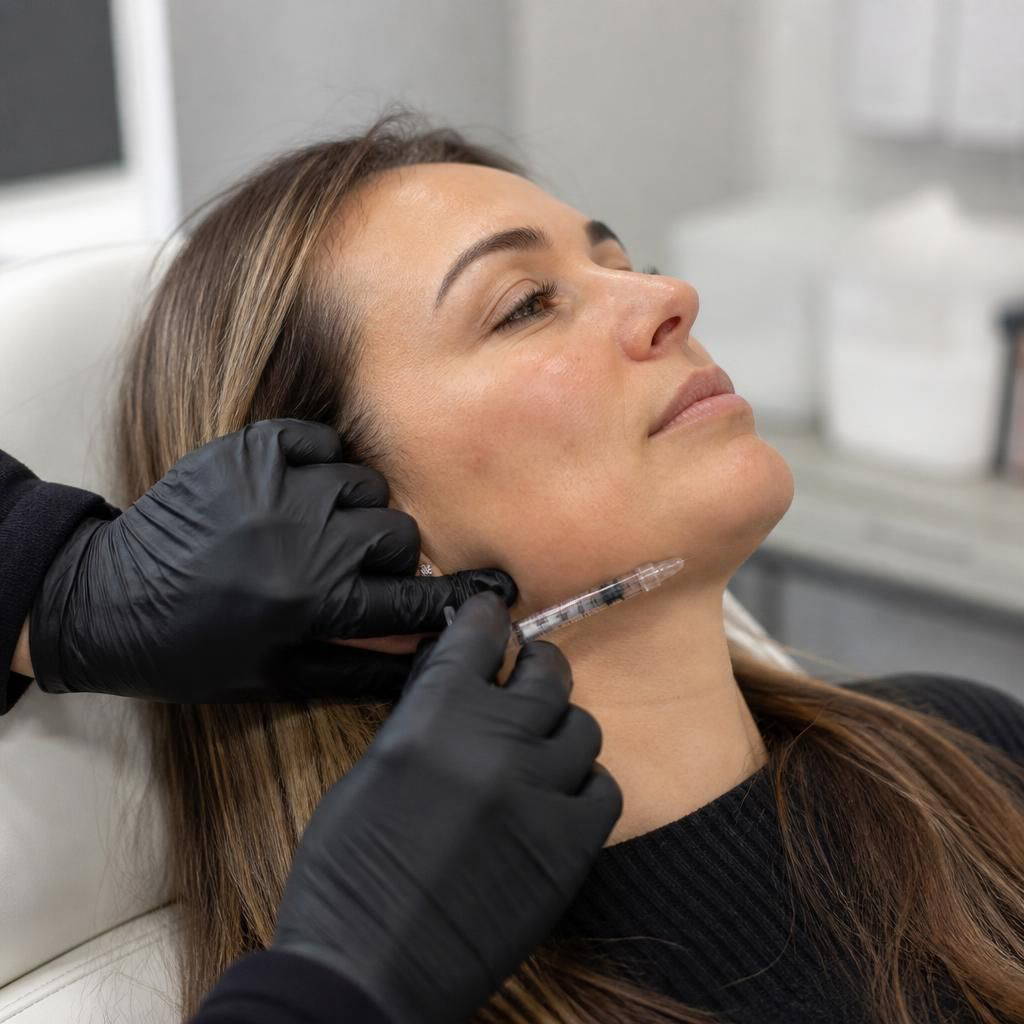
To ensure optimal results with jawline and jaw fillers, practitioners must prioritise safety and precision. This involves selecting the appropriate filler type and volume based on the client’s facial structure and aesthetic goals. Thorough pre-treatment consultations are essential to discuss expectations, assess suitability, and plan the procedure meticulously.
Staying updated with the latest techniques and products in the aesthetic field can significantly improve outcomes. Regular training and workshops help practitioners refine their skills and adapt to new advancements, ensuring they provide the best possible service to their clients.
Post-procedure care and follow-up sessions are crucial for monitoring results and addressing any concerns promptly. Providing clients with detailed aftercare instructions helps in minimising potential complications and maximising the longevity of the treatment effects. By focusing on these aspects, practitioners can consistently achieve successful and satisfying results with jawline fillers.