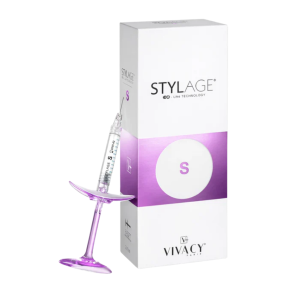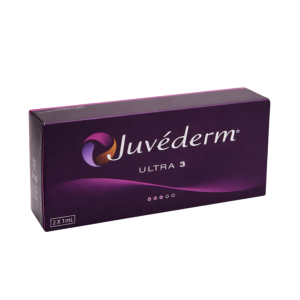

Choosing the right dermal filler for your clinic involves understanding your clients’ needs, the specific areas you wish to treat, and the desired outcomes. Dermal fillers vary in composition, longevity, and effect, making it crucial to select one that aligns with the treatment goals and expectations.
Understanding Different Types of Dermal Fillers
Dermal fillers are primarily made from hyaluronic acid, calcium hydroxylapatite, poly-L-lactic acid, or polymethylmethacrylate. Each type offers unique benefits. Hyaluronic acid fillers are popular due to their natural compatibility with the skin and reversible nature. Calcium hydroxylapatite provides longer-lasting results, ideal for deeper lines. Poly-L-lactic acid stimulates collagen production, offering gradual, natural-looking enhancements. Understanding these differences helps in selecting the appropriate filler for specific treatments, such as lip augmentation, cheek enhancement, or wrinkle reduction.
Assessing Your Clinic’s Clientele and Treatment Goals
Consider the demographics and preferences of your clientele. Younger clients might prefer subtle enhancements, while older clients may seek more dramatic anti-aging results. Tailoring your filler selection to match these needs enhances client satisfaction and loyalty. Additionally, assess your clinic’s treatment goals. Are you focusing on facial contouring, volumizing, or wrinkle reduction? Aligning your goals with the properties of specific fillers ensures optimal outcomes.
Evaluating Product Safety and Manufacturer Reputation
Safety is paramount when selecting dermal fillers. Ensure the products are approved by relevant health authorities, such as the UK Medicines and Healthcare products Regulatory Agency (MHRA). Research the manufacturer’s reputation, product quality, and clinical studies supporting efficacy and safety. Choosing reputable brands minimizes risks and enhances treatment reliability. Stay informed about new advancements and products in the market to offer cutting-edge solutions to your clients.
When choosing a dermal filler, consider the specific area of treatment and the desired outcome. Different fillers offer varying levels of firmness and longevity, making some more suitable for certain areas than others. For instance, softer fillers may work better for lip augmentation, while firmer options might be ideal for cheek enhancement.
Understanding the composition of dermal fillers is crucial. Hyaluronic acid fillers are versatile and widely used due to their natural occurrence in the body and reversibility. However, for longer-lasting results, options like calcium hydroxylapatite or poly-L-lactic acid might be preferable.
Finally, ensure that the dermal fillers you choose are compliant with regulatory standards and have a track record of safety and effectiveness. By aligning your selection with client needs and maintaining high safety standards, you can enhance the reputation and success of your clinic.