
Jawline fillers, a popular non-surgical aesthetic treatment, typically cost between £400 and £1,200 per session in the UK. These prices can vary significantly based on several factors, including the type of filler used, the practitioner’s expertise, and the geographic location of the clinic. Understanding these elements can assist potential clients in making informed decisions about their aesthetic treatments.
Types of Fillers and Their Impact on Cost
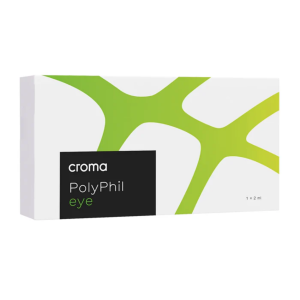
The type of dermal filler used in jawline augmentation can significantly influence the cost. Hyaluronic acid-based fillers are commonly used due to their safety and effectiveness, with prices varying based on the brand and the longevity of the product. Premium fillers, which may offer longer-lasting results, tend to be priced higher. Another option is calcium hydroxylapatite fillers, which are often more expensive due to their ability to stimulate collagen production, offering a more permanent solution. Ultimately, the choice of filler will depend on the desired outcome and budget of the client.
Practitioner Expertise and Clinic Location
The expertise of the practitioner is another crucial factor affecting the cost of jawline fillers. Highly experienced and reputable practitioners often charge more for their services, reflecting their advanced skills and the quality of care provided. Additionally, the location of the clinic can impact pricing; clinics in major cities or affluent areas may charge higher fees due to increased demand and higher operating costs. Clients should consider the practitioner’s qualifications and the clinic’s reputation when assessing treatment costs to ensure they receive safe and effective care.
Additional Costs and Considerations
Beyond the cost of the filler itself, clients should also be aware of additional expenses that may arise. These can include consultation fees, follow-up visits, and any necessary post-treatment care products. It’s essential to discuss these potential costs with the clinic beforehand to avoid unexpected charges. Furthermore, clients should consider the frequency of treatments, as maintaining the desired jawline appearance may require regular touch-ups, adding to the overall expense over time. By understanding these aspects, individuals can better plan their aesthetic journey and manage their budget effectively.
Jawline filler costs are influenced by the type of filler used, with options like hyaluronic acid and calcium hydroxylapatite offering different benefits and price points. Clients should consider the longevity and results desired when selecting a filler type, as these factors will impact the overall cost.
The experience and reputation of the practitioner also play a significant role in determining the price of jawline fillers. Skilled professionals with extensive experience may charge higher fees, reflecting their expertise and the quality of service provided. It is advisable to research the practitioner’s credentials and client reviews to ensure a satisfactory outcome.
Geographic location is another key factor, with clinics in urban or high-demand areas often charging more for aesthetic treatments. Clients should weigh the costs against the convenience and quality of care offered by the clinic’s location. Understanding these elements helps individuals make informed decisions about their aesthetic treatments.