
Jawline fillers are a popular choice for individuals seeking to enhance their facial contours without undergoing invasive surgery. These fillers are injectable substances used to add volume and definition to the jawline. With various types available, it is important to understand each option to determine the best fit for your needs. The choice of filler can depend on factors such as the desired outcome, longevity, and individual skin characteristics.
Hyaluronic Acid Fillers
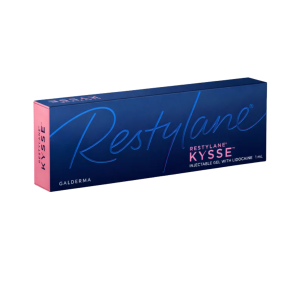
Hyaluronic acid fillers are among the most common types used for jawline enhancement. Known for their hydrating properties, these fillers provide a natural look and feel. They are temporary, typically lasting between six to eighteen months, depending on the specific product and individual metabolism. Hyaluronic acid is naturally occurring in the body, which generally results in fewer allergic reactions and side effects. Popular brands include Juvederm and Restylane, both known for their efficacy and safety in aesthetic treatments.
Calcium Hydroxylapatite Fillers
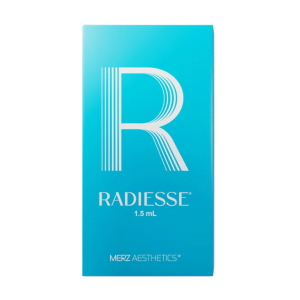
Calcium hydroxylapatite is a mineral-like compound naturally found in human bones. Fillers containing this substance, such as Radiesse, are used to enhance the jawline by stimulating collagen production. These fillers are thicker than hyaluronic acid fillers, making them ideal for adding significant volume and definition. They tend to last longer, often up to a year or more. This type of filler is particularly effective for those seeking a more pronounced jawline.
Poly-L-lactic Acid Fillers
Poly-L-lactic acid (PLLA) is a biodegradable synthetic substance used in fillers like Sculptra. Unlike other fillers, PLLA works gradually, triggering collagen production over time. This results in a more subtle, natural enhancement of the jawline. Treatments with PLLA fillers usually require multiple sessions over several months, with results lasting up to two years. This option is suitable for individuals looking for a long-term solution with progressive improvements.
When considering jawline fillers, it is essential to consult with a qualified practitioner who can recommend the most appropriate type based on individual goals and skin type. Each filler has unique properties and benefits, making professional guidance crucial for optimal results.
Moreover, understanding the differences between temporary and longer-lasting fillers can significantly impact the decision-making process. Temporary fillers offer flexibility, allowing individuals to adjust treatments as needed, while longer-lasting options provide more enduring results.
Ultimately, the choice of jawline filler should align with the desired aesthetic outcome and personal preferences. By carefully evaluating the available options and seeking expert advice, individuals can achieve a well-defined, aesthetically pleasing jawline that enhances their overall facial harmony.