
Ensuring safety when administering jawline injections using dermal fillers is paramount. Key considerations include selecting a qualified practitioner, using high-quality products, and adhering to proper injection techniques. These measures minimise risks and enhance client satisfaction.
Practitioner Qualifications
The competence of the practitioner is crucial for the safety of jawline injections. A qualified professional should possess extensive training in facial anatomy and injection techniques. They should have a solid understanding of the types of dermal fillers available and the specific requirements for jawline augmentation. Certifications and a proven track record in aesthetic procedures can further assure clients of their expertise. It is advisable to verify the practitioner’s credentials and seek recommendations or reviews from previous clients to ensure they meet the necessary professional standards.
Product Quality and Selection
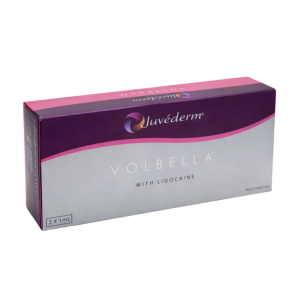
Another critical safety factor is the choice of dermal filler. High-quality products, approved by relevant health authorities, should be used to reduce adverse reactions. It’s important to select a filler that suits the client’s skin type and desired outcome. Reputable brands typically undergo rigorous testing and quality control, ensuring their safety and effectiveness. Practitioners should stay informed about the latest developments in dermal fillers to provide clients with the best possible options.
Injection Techniques and Aftercare
Proper injection techniques are essential to minimise the risk of complications such as bruising, swelling, or infection. Practitioners should use sterile equipment and follow stringent hygiene protocols. Mapping out the injection sites and understanding the underlying facial structure can help achieve a natural-looking result. Additionally, clear communication with the client regarding aftercare is vital. Clients should be advised on what to expect post-treatment, including potential side effects and the importance of following aftercare instructions to aid healing and prolong results.
Jawline injections using dermal fillers require careful consideration of several safety aspects. First, the practitioner’s expertise is crucial. Choosing a skilled and experienced professional ensures that the procedure is performed safely and effectively, reducing the risk of complications.
Second, the quality of the dermal filler product is essential. Using only high-quality, approved fillers can significantly decrease the likelihood of adverse reactions. Practitioners should be well-versed in the different types of fillers and select the most suitable one for each client.
Finally, adherence to proper injection techniques is vital. This includes using sterile equipment, mapping the injection sites accurately, and understanding the client’s facial anatomy. Additionally, providing comprehensive aftercare instructions helps clients manage any post-treatment symptoms and maintain their results.