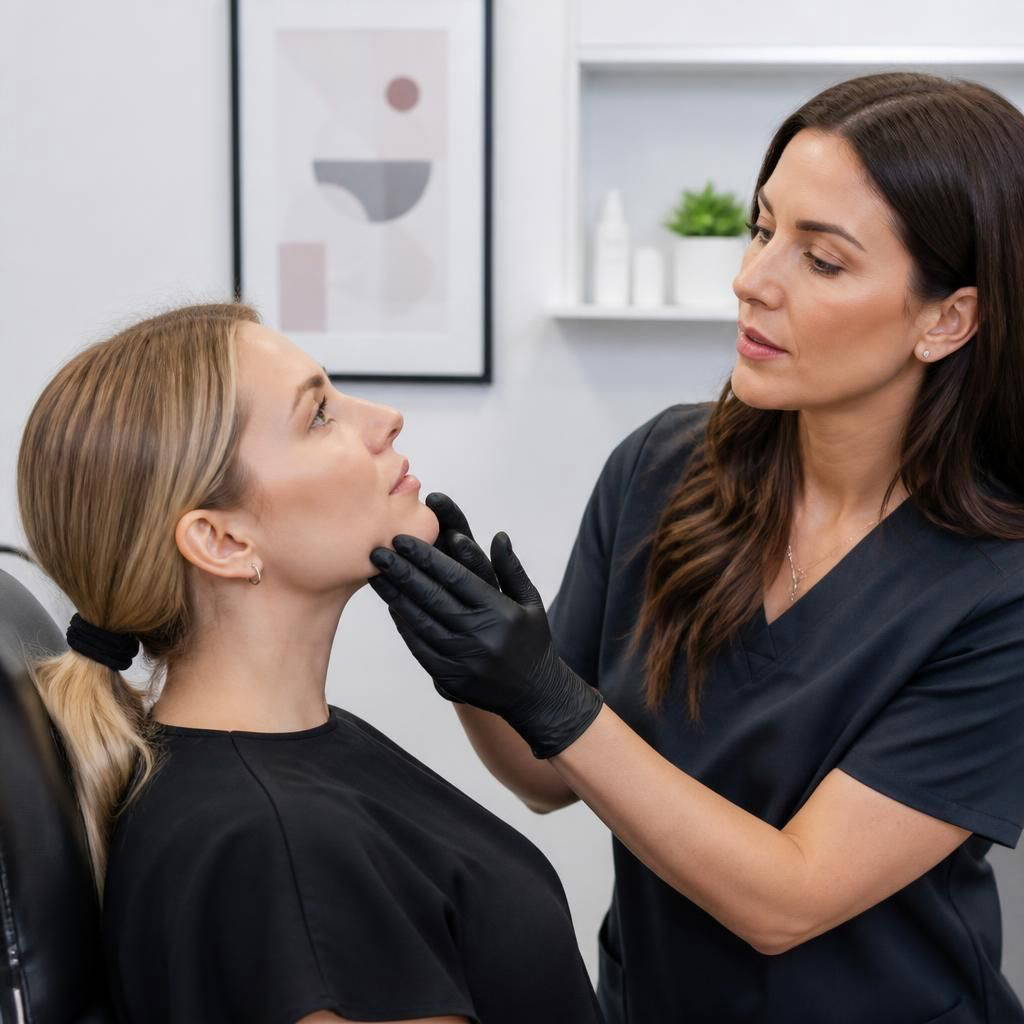

To perform jawline injections safely, a practitioner should possess relevant medical qualifications and extensive training in aesthetic procedures. These qualifications ensure that the practitioner has the necessary knowledge and skills to administer injections correctly, minimising risks and ensuring client satisfaction.
Medical Background and Certification
A practitioner should ideally be a qualified medical professional such as a doctor, nurse, or dentist. This ensures they have a comprehensive understanding of facial anatomy and the potential complications that can arise with injectable treatments. Additionally, practitioners must hold relevant certifications in aesthetic medicine, which demonstrate their commitment to adhering to safety standards and best practices in the field.
Specialised Training in Aesthetic Procedures
In addition to medical qualifications, practitioners should undergo specialised training specifically focused on injectable treatments. This training typically covers the techniques for administering dermal fillers and other injectables, with a particular emphasis on safety and efficacy. Such training is often provided by accredited institutions and includes both theoretical and practical components. Continuous education is also important, as it allows practitioners to stay updated with the latest advancements and techniques in aesthetic medicine.
Experience and Professionalism
Experience plays a crucial role in ensuring the safety and success of jawline injections. Practitioners with a proven track record of performing these procedures are more likely to deliver satisfactory results. Professionalism, including maintaining clear communication with clients, managing expectations, and providing thorough consultations, is essential. This level of professionalism not only helps in building trust but also ensures that clients are fully informed about the procedure, risks, and expected outcomes.
Regulatory Compliance and Insurance
Practitioners should comply with all relevant regulations and guidelines set by healthcare and aesthetic industry bodies. This includes adhering to safety protocols, maintaining hygiene standards, and ensuring that all products used are authorised and sourced from reputable suppliers. Furthermore, having appropriate insurance coverage is crucial for protecting both the practitioner and the client. Insurance provides a safety net in the event of complications or adverse reactions, safeguarding all parties involved.
Ensuring the safe administration of jawline injections begins with selecting a practitioner who holds appropriate medical qualifications. A background in medicine, nursing, or dentistry is essential, as it provides the foundational knowledge of human anatomy necessary for performing these procedures safely. Alongside formal education, practitioners should have completed accredited training in aesthetic medicine to hone their skills specifically for injectable treatments.
Experience is another key factor in determining a practitioner’s ability to safely perform jawline injections. Those with a substantial history of conducting such procedures often have a refined technique and a better understanding of how to manage potential complications. This experience is invaluable in achieving optimal results and client satisfaction.
Finally, adherence to regulatory standards and maintaining comprehensive insurance coverage are non-negotiable aspects of a practitioner’s qualifications. These measures ensure that the practitioner is operating within legal frameworks and that clients are protected, reinforcing trust and professionalism in the practitioner-client relationship.