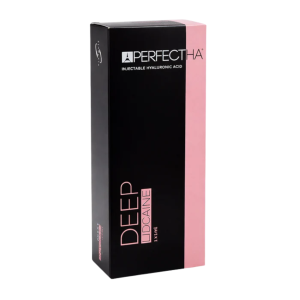

Jawline fillers are a popular cosmetic treatment designed to enhance the definition and contour of the jawline. These fillers typically consist of hyaluronic acid or other biocompatible substances that are injected into the jaw area. The main types of jawline fillers include hyaluronic acid-based fillers, calcium hydroxylapatite fillers, and poly-L-lactic acid fillers. Each type has its own unique properties and benefits, making them suitable for different needs and preferences.
Types of Jawline Fillers
Hyaluronic acid fillers are among the most commonly used due to their versatility and safety profile. These fillers, such as Juvederm and Restylane, provide immediate results by adding volume and structure to the jawline. They are also reversible, which can be a significant advantage for those who may want to adjust the results. Another popular option is calcium hydroxylapatite fillers like Radiesse. These fillers not only add volume but also stimulate collagen production, offering longer-lasting effects. Poly-L-lactic acid fillers, such as Sculptra, work by gradually stimulating collagen synthesis, providing more subtle and natural-looking improvements over time.
Choosing the Right Filler
Selecting the best jawline filler depends on several factors, including the desired outcome, budget, and any specific health considerations. Hyaluronic acid fillers are often recommended for those seeking immediate results with the option for adjustments. Calcium hydroxylapatite fillers are ideal for individuals looking for a more durable solution with added collagen stimulation. For those preferring a gradual enhancement, poly-L-lactic acid fillers may be the most suitable choice. Consulting with a qualified practitioner is crucial to assess individual needs and identify the most appropriate treatment option.
Considerations Before Treatment
Before proceeding with jawline fillers, it is essential to consider potential side effects and recovery time. Common side effects include temporary swelling, redness, and bruising at the injection site. It’s important to discuss any allergies or medical conditions with a practitioner to minimise risks. Additionally, setting realistic expectations and understanding the limitations of each filler type can enhance satisfaction with the results. Post-treatment care, such as avoiding strenuous activities and following specific skincare routines, can also influence the longevity and appearance of the results.

When considering jawline fillers, hyaluronic acid-based options are often recommended for those seeking immediate, adjustable results. These fillers offer a safe and effective way to enhance jawline definition while allowing for reversibility if needed. For those prioritising longevity, calcium hydroxylapatite fillers provide additional collagen stimulation, resulting in more durable outcomes. This option is beneficial for clients who desire both volume and long-lasting effects.
Poly-L-lactic acid fillers, on the other hand, offer a gradual and natural-looking enhancement by stimulating collagen production over time. This type is suitable for clients who prefer subtle improvements and are willing to wait for progressive results. Each filler type has its own distinct advantages, and the choice largely depends on the specific needs and preferences of the client.
Ultimately, the best jawline filler is one that aligns with the client’s aesthetic goals, budget, and health considerations. Consulting with a qualified practitioner ensures a tailored approach, maximising both safety and satisfaction with the treatment outcome.