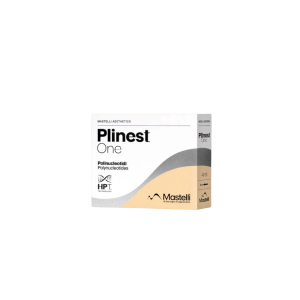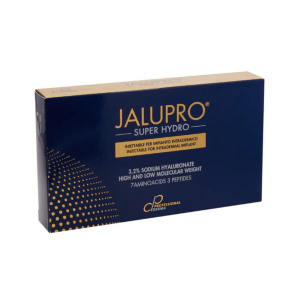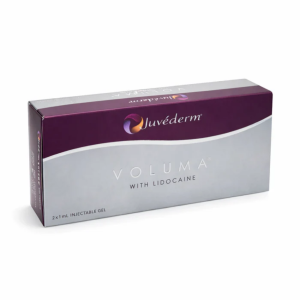

Lower face fillers are generally considered safe when administered by qualified professionals. However, like any cosmetic procedure, they may be associated with certain side effects. These can range from mild and temporary to more severe, depending on various factors such as the individual’s skin type, the specific product used, and the practitioner’s expertise.
Common Side Effects
Most individuals experience mild side effects following lower face filler treatments, which typically subside within a few days. These may include redness, swelling, and bruising at the injection site. Such reactions are common and usually resolve swiftly without the need for medical intervention. Patients are often advised to avoid strenuous activities and exposure to extreme temperatures immediately after the procedure to minimise these effects.
Rare and Serious Side Effects
Although rare, some individuals may experience more serious side effects. These can include allergic reactions, infection, or lumps forming under the skin. In very rare cases, fillers can be inadvertently injected into blood vessels, leading to complications such as tissue necrosis or even blindness. It is crucial that these procedures are carried out by trained professionals who can identify and manage such risks effectively.
Importance of Professional Treatment
The expertise of the practitioner plays a significant role in minimising the risk of side effects. A qualified and experienced professional will take a comprehensive medical history and conduct a thorough assessment to determine the most suitable treatment plan. They will also use high-quality products and adhere to stringent hygiene standards to ensure the safety and efficacy of the procedure. Patients should always verify the credentials of their chosen practitioner and discuss any concerns they may have before proceeding with treatment.
Post-Treatment Care
Post-treatment care is an essential component in reducing the likelihood of side effects. Following the practitioner’s aftercare instructions, such as applying cold compresses to the treated area, can help alleviate swelling and discomfort. Patients should also refrain from massaging the treated area and avoid direct sunlight to promote optimal healing. By adhering to these guidelines, individuals can enhance the results of their treatment and ensure a smoother recovery process.

Lower face fillers can lead to some side effects, but these are typically mild and temporary. Common reactions include redness, swelling, and bruising at the injection site. These symptoms generally subside within a few days, and following post-treatment care instructions can help manage them effectively.
Though rare, more serious side effects can occur with dermal fillers. These include allergic reactions, infections, or the formation of lumps. In extremely rare cases, there can be complications such as tissue damage if fillers are accidentally injected into blood vessels. Such risks highlight the importance of choosing a skilled and experienced practitioner.
Ensuring that the procedure is conducted by a qualified professional significantly reduces the likelihood of side effects. A comprehensive consultation and adherence to post-treatment care are imperative to achieving safe and satisfactory results. Patients should discuss any concerns with their practitioner to ensure they are fully informed before undergoing treatment.