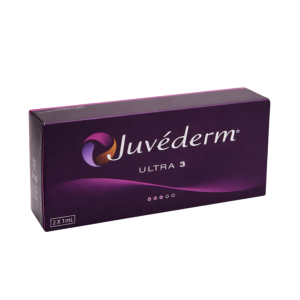

Jowl fillers, commonly composed of hyaluronic acid or other dermal filler substances, are widely used to enhance facial contours and combat signs of ageing. While generally considered safe, they are not without potential risks and side effects. These can range from mild to more serious complications, making it essential for both practitioners and clients to be well-informed before proceeding with treatment.
Common Side Effects
The most frequently reported side effects of jowl fillers are temporary and typically resolve within a few days. These include redness, swelling, and bruising at the injection site. Some individuals may experience tenderness or itching as well. These reactions are usually mild and can be managed with over-the-counter pain relief and topical treatments. It is crucial to follow post-treatment care instructions to minimise these effects and promote healing.
Less Common Risks
Although less common, some individuals may encounter more significant issues such as lumps or asymmetry in the treated area. These can occur if the filler is not evenly distributed or if the body reacts unpredictably to the injected material. In such cases, adjustments may be required, either through additional filler or corrective procedures. It is vital to choose a skilled practitioner to minimise these risks and ensure a satisfactory outcome.
Serious Complications
While rare, serious complications can occur with jowl fillers. These include infections, allergic reactions, or vascular occlusion, where the filler inadvertently blocks a blood vessel. Such complications require immediate medical attention and may necessitate the use of hyaluronidase to dissolve the filler or other medical interventions. Pre-treatment consultations should include discussions about the possibility of these risks, ensuring clients are fully informed and prepared.

Proper assessment and consultation are key to reducing the risks associated with jowl fillers. Before proceeding, practitioners should evaluate the client’s medical history and skin type to tailor the treatment plan appropriately. This helps in identifying any potential risk factors that could influence the outcome.
Another important consideration is the choice of filler material. Different fillers have varying properties, and selecting the right one can significantly impact the results and the likelihood of side effects. Clients should be made aware of the benefits and limitations of each option to make an informed decision.
Post-treatment care is equally crucial in managing side effects and ensuring a smooth recovery. Clients should be advised on how to care for the treated area, including avoiding certain activities that might exacerbate swelling or bruising. Regular follow-up appointments can help monitor progress and address any concerns promptly.