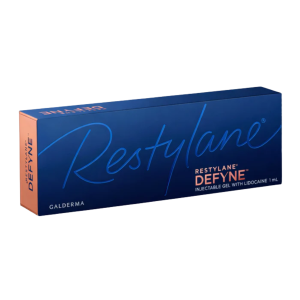

The longevity of jowls and lower face fillers varies depending on several factors, including the type of filler used, individual skin characteristics, and lifestyle choices. Generally, most dermal fillers used for this purpose last between 6 to 18 months. Hyaluronic acid-based fillers, which are commonly used for jowls and lower face areas, tend to last around 9 to 12 months. However, the exact duration can differ from person to person.
Types of Fillers
Different types of fillers have varying longevity. Hyaluronic acid fillers are popular for their ability to provide natural-looking results and their temporary nature, typically lasting around 9 to 12 months. Calcium hydroxylapatite fillers, another common choice, can last slightly longer, often up to 18 months. These fillers work by stimulating collagen production, which helps maintain the results even after the filler itself has dissolved. Polylactic acid fillers, which are less commonly used for jowls but still an option, can last up to 2 years and also stimulate collagen production, but require multiple sessions to achieve optimal results.
Individual Factors
Individual factors also play a significant role in how long fillers last. Metabolism can affect the rate at which fillers break down, with faster metabolisms typically leading to quicker absorption. Skin type, age, and the specific area treated also influence longevity. Younger individuals might experience faster filler degradation due to their higher metabolic rates. Moreover, areas with more movement, such as the mouth and jawline, may see fillers dissipate more quickly compared to less mobile areas.
Lifestyle and Maintenance
Lifestyle choices can impact the longevity of jowls and lower face fillers. Sun exposure, smoking, and excessive alcohol consumption can all accelerate the breakdown of fillers. Proper skincare routines and sun protection can help prolong the effects. Regular touch-ups are recommended to maintain desired results, with most individuals opting for maintenance treatments every 9 to 12 months. Consulting with a qualified practitioner can provide more personalised advice tailored to individual needs and expectations.

The longevity of jowls and lower face fillers is influenced by the type of filler used and individual factors such as metabolism and lifestyle. Hyaluronic acid fillers typically last around 9 to 12 months, while calcium hydroxylapatite fillers may last up to 18 months. Understanding the specific type of filler used gives an indication of how often touch-ups might be needed.
Individual factors, including skin type, age, and metabolism, significantly affect how long fillers last. Those with faster metabolisms might find their fillers break down more quickly, necessitating more frequent touch-ups. Additionally, areas of the face that experience more movement, such as around the jawline, may see fillers dissipate faster.
Lifestyle choices can greatly impact filler longevity. Protecting the skin from sun damage, avoiding smoking, and maintaining a healthy lifestyle can help extend the life of fillers. Regular consultations with a practitioner can ensure optimal maintenance and results.