
The effects of jowl fillers typically last between 6 to 18 months, depending on various factors such as the type of filler used, the individual’s skin type, and their lifestyle. This variation in duration is primarily due to differences in the formulation of fillers and how they interact with the body’s natural processes.
Types of Fillers and Their Impact
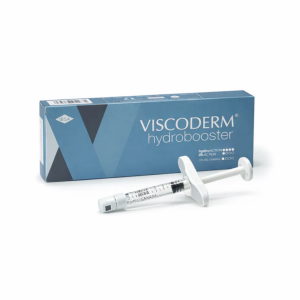
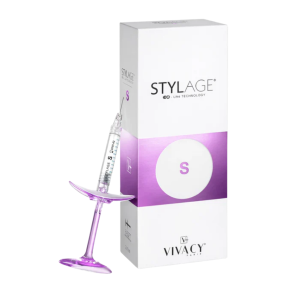
Different types of dermal fillers offer varying durations of effectiveness. Hyaluronic acid-based fillers, commonly used for jowl augmentation, generally last between 6 to 12 months. These fillers are gradually absorbed by the body, leading to a reduction in their volumizing effect over time. In contrast, longer-lasting options such as calcium hydroxylapatite fillers can provide results for up to 18 months. The choice of filler depends on the desired outcome and the practitioner’s recommendation.
Individual Factors Affecting Longevity
Personal factors also play a significant role in determining how long jowl fillers last. Metabolism rates can influence the speed at which the body breaks down the filler material. Individuals with faster metabolisms may find that their fillers do not last as long. Additionally, lifestyle choices such as smoking, sun exposure, and skincare routines can impact the longevity of the results. Practitioners often advise maintaining a healthy lifestyle to prolong the effects of the treatment.
Maintenance and Follow-Up Treatments
To maintain the desired appearance, many individuals opt for regular follow-up treatments. These maintenance sessions can help extend the life of the initial filler application and ensure consistent results. Practitioners typically assess the condition of the fillers and the patient’s aesthetic goals during these follow-up visits, adjusting the treatment plan as necessary. It’s important for patients to discuss their expectations and maintenance strategies with their practitioners to achieve the best outcomes.
Jowl fillers offer a non-surgical solution for enhancing facial contours, providing immediate results that can last from 6 to 18 months. The duration of these effects depends on the type of filler used and individual factors such as metabolism and lifestyle. Hyaluronic acid fillers are popular for their natural-looking results and safety profile, but their effects generally last 6 to 12 months.
Longer-lasting fillers like those made from calcium hydroxylapatite can maintain their effect for up to 18 months, offering a more extended solution for those seeking prolonged results. The body’s natural processes gradually absorb these fillers, necessitating periodic touch-ups to maintain the desired look.
For optimal results, patients should adhere to a healthy lifestyle and follow their practitioner’s advice regarding skincare and sun protection. Regular consultations with aesthetic professionals can help tailor treatments to individual needs, ensuring satisfaction and prolonged filler efficacy.