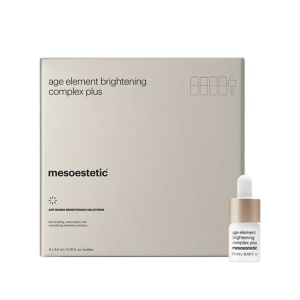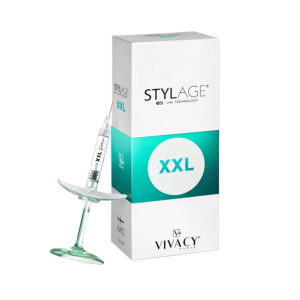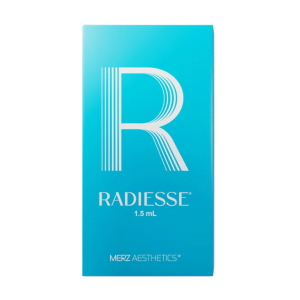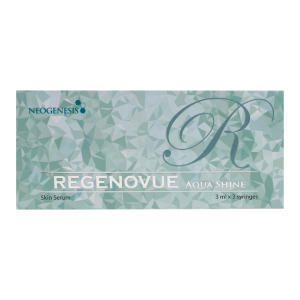

The best filler for smile lines, often referred to as nasolabial folds, is usually a hyaluronic acid-based dermal filler. These fillers are effective due to their ability to add volume and moisture to the skin, thereby smoothing out lines and wrinkles. Popular options include Juvederm and Restylane, which are renowned for their longevity and natural-looking results. Comparatively, fillers for jowls are designed to lift and tighten sagging skin around the jawline, often requiring a thicker, more robust formulation.
Understanding Smile Line Fillers
Smile lines are the creases that run from the sides of the nose to the corners of the mouth. Hyaluronic acid fillers are favoured for treating these lines because they are naturally occurring and biocompatible, ensuring minimal risk of adverse reactions. These fillers work by attracting water to the area, effectively plumping the skin and diminishing the appearance of lines. The results are immediate, with improvements continuing over several weeks as the filler integrates with the skin.
Comparing to Jowl Fillers
Jowl fillers, on the other hand, often require a different approach. The area around the jowls is prone to sagging due to the natural loss of collagen and elasticity with age. Fillers designed for this area need to provide structural support, often achieved with denser formulations such as calcium hydroxylapatite or poly-L-lactic acid. These substances stimulate collagen production, offering a firmer and more lifted appearance over time. While both smile line and jowl fillers aim to rejuvenate the face, the techniques and materials used may differ to address specific concerns effectively.
Choosing the Right Filler
When selecting a filler, it is essential to consider the specific needs of the client, including their skin type, age, and desired outcome. Hyaluronic acid fillers are versatile and can be adjusted in terms of density and concentration to suit different areas of the face. For jowls, a practitioner might opt for a thicker filler to provide the necessary lift and support. Consulting with a trained professional is crucial to ensure the best results, as they can tailor the treatment to achieve a balanced and harmonious look.

Smile line fillers predominantly rely on hyaluronic acid due to its hydrating properties, offering immediate results with minimal downtime. These fillers are injected directly into the lines to smooth and plump the skin, effectively reducing the depth of the creases.
In contrast, jowl fillers are typically more robust, designed to combat the sagging that occurs due to gravity and aging. Products like Radiesse or Sculptra are often used, as they provide a scaffolding effect, supporting the skin and promoting natural collagen production over time.
Ultimately, the choice between smile line and jowl fillers depends on the specific aesthetic goals and the areas of concern. A professional consultation will help determine the most suitable type of filler, ensuring that the treatment is tailored to the individual’s facial structure and desired outcomes.