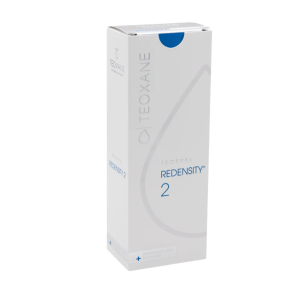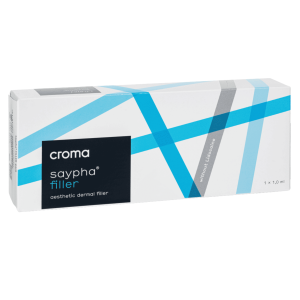

Lower face fillers, often used to address sagging and restore volume, typically last between 6 to 18 months. The longevity of these fillers can vary based on several factors, including the type of filler used, the individual’s skin type, and lifestyle factors. Regular maintenance and touch-ups can help prolong the desired effects.
Types of Fillers and Their Longevity
The type of dermal filler used plays a significant role in determining how long the effects will last. Hyaluronic acid-based fillers, such as Juvederm and Restylane, are commonly used for lower face applications and generally last between 6 to 12 months. Calcium hydroxylapatite fillers, like Radiesse, can last up to 18 months. Each type of filler has unique properties that influence its duration, so consulting with a qualified practitioner is crucial to choose the best option.
Factors Affecting Filler Duration
Several factors can influence how long lower face fillers last. Individual metabolism, for instance, plays a role in how quickly the body breaks down the filler. People with faster metabolisms may find that their fillers do not last as long. Additionally, lifestyle factors such as smoking, sun exposure, and alcohol consumption can affect the longevity of fillers. Maintaining a healthy lifestyle and following post-treatment care advice can help extend the life of your fillers.
When to Consider Reapplication
Reapplication of fillers should be considered when you notice a gradual return of sagging or loss of volume. The timeframe for this varies depending on the individual and the type of filler used, but generally, touch-ups are recommended every 6 to 18 months. Regular consultations with your aesthetic practitioner can help determine the optimal schedule for reapplication to maintain the desired look.
Consultation and Maintenance
Consulting with a qualified aesthetic practitioner is essential for those considering lower face fillers. They can provide guidance on the best type of filler for your needs and help establish a maintenance plan. Regular follow-up appointments are beneficial for assessing the effectiveness of the treatment and making necessary adjustments. A tailored approach ensures that your fillers last as long as possible while providing the rejuvenation and lift that you seek.
Lower face fillers are a popular choice for addressing sagging due to their ability to restore volume and create a more youthful appearance. The duration of these fillers varies, with most lasting between 6 to 18 months. This timeframe is influenced by the type of filler used and individual factors such as metabolism and lifestyle.
To maintain optimal results, it is crucial to monitor the effects of the fillers and consider reapplication when signs of sagging reappear. Typically, touch-ups are recommended within the 6 to 18-month range, depending on the individual’s response to the treatment and the specific filler used.
Regular consultations with a qualified aesthetic practitioner are essential for determining the appropriate schedule for reapplication. These professionals can provide tailored advice and adjustments to ensure the longevity of the fillers, helping you achieve and maintain the desired aesthetic results.