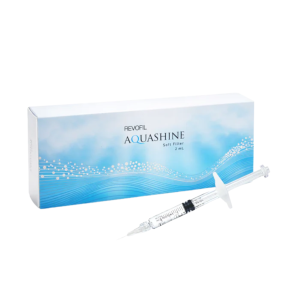

To address the sagging of jowls, hyaluronic acid-based dermal fillers are often considered the most effective. These fillers provide volume and support to the skin, helping to lift and contour the jowl area, resulting in a more youthful appearance. Popular choices include Juvederm Voluma, Restylane Lyft, and Radiesse. Each of these products offers unique benefits and might be preferred based on individual client needs and practitioner expertise.
Understanding Hyaluronic Acid Fillers
Hyaluronic acid (HA) fillers are commonly used for their ability to attract and retain moisture, which helps in volumising the targeted areas. When injected into the jowl area, they provide immediate lifting effects and improve skin elasticity. Juvederm Voluma, for instance, is known for its smooth consistency and long-lasting results, making it a favourite among practitioners seeking to enhance facial contours.
Alternative Options: Calcium Hydroxylapatite and Poly-L-Lactic Acid
While HA fillers are popular, alternatives like calcium hydroxylapatite (found in Radiesse) and poly-L-lactic acid (found in Sculptra) offer distinct advantages. Radiesse provides structural support and stimulates collagen production, resulting in natural-looking volume over time. Sculptra, on the other hand, gradually builds collagen, offering subtle and progressive improvements. These alternatives are particularly suitable for clients looking for long-term enhancements.
Comparing Longevity and Results
The longevity of filler results can vary depending on the product used and individual client factors. HA fillers typically last between six to eighteen months, with Juvederm Voluma often enduring on the longer end of this spectrum. Radiesse provides results that can last up to a year or more, while Sculptra’s effects can persist for over two years as it promotes collagen growth. It is crucial for practitioners to consider both immediate and long-term client goals when selecting the appropriate filler.
Choosing the best filler for jowls involves evaluating individual client needs and desired outcomes. Hyaluronic acid fillers are often favoured for their immediate and reversible effects, making them a versatile choice for many practitioners. They offer a balance between lifting capabilities and ease of use, ensuring client satisfaction.
For clients seeking longer-lasting results, calcium hydroxylapatite and poly-L-lactic acid fillers may be more suitable. These fillers not only provide volumisation but also stimulate collagen production, which enhances skin texture and firmness over time. Such options are ideal for clients committed to achieving sustained improvements.
Ultimately, the decision rests on a thorough consultation process, considering factors such as the client’s age, skin condition, and aesthetic goals. By understanding the properties and benefits of each filler type, practitioners can tailor treatments that align with client expectations, thereby enhancing the overall success of the aesthetic practice.