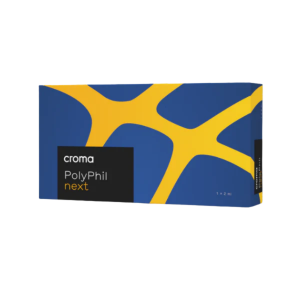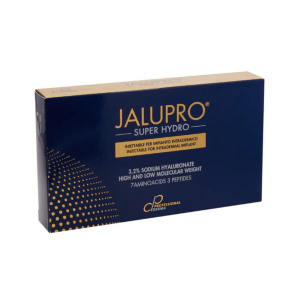

Lip fillers and other dermal fillers share the common goal of enhancing facial aesthetics, but they differ in their specific applications and results. Lip fillers are primarily designed to augment and shape the lips, providing volume and definition. Other dermal fillers are often used to address wrinkles, restore facial volume, and contour areas such as the cheeks, jawline, and temples. The choice between lip fillers and other dermal fillers largely depends on the individual’s aesthetic goals and the areas they wish to enhance.
Application and Composition
Lip fillers typically contain hyaluronic acid, a substance naturally found in the body, which helps maintain skin hydration and elasticity. This makes them particularly effective for adding volume and softness to the lips. Other dermal fillers, while also frequently based on hyaluronic acid, may include varying formulations designed to address specific concerns. For instance, calcium hydroxylapatite and poly-L-lactic acid are used in fillers aimed at deeper facial wrinkles and volume loss. The varying compositions of these fillers enable practitioners to tailor treatments to individual needs, achieving desired results in different facial areas.
Results and Longevity
The results of lip fillers are often immediately visible, providing an enhanced pout and improved lip symmetry, which can last between six to twelve months. The longevity of other dermal fillers varies depending on the product used and the area treated. Some fillers, particularly those used for deeper facial lines or volume restoration, can last up to two years. The immediate and long-term outcomes of these fillers are influenced by factors such as the patient’s metabolism, lifestyle, and the specific filler formulation applied.
Considerations for Treatment
Choosing between lip fillers and other dermal fillers involves considering several factors, including the desired aesthetic outcome, treatment area, and longevity of results. Patients seeking fuller lips with a natural look may opt for lip fillers, while those looking to address facial sagging or wrinkles might benefit from other dermal fillers. Consulting with a qualified practitioner is crucial in determining the most suitable filler type, ensuring that the treatment aligns with the patient’s goals and expectations. Additionally, understanding the potential side effects and post-treatment care is essential for achieving optimal results and maintaining skin health.
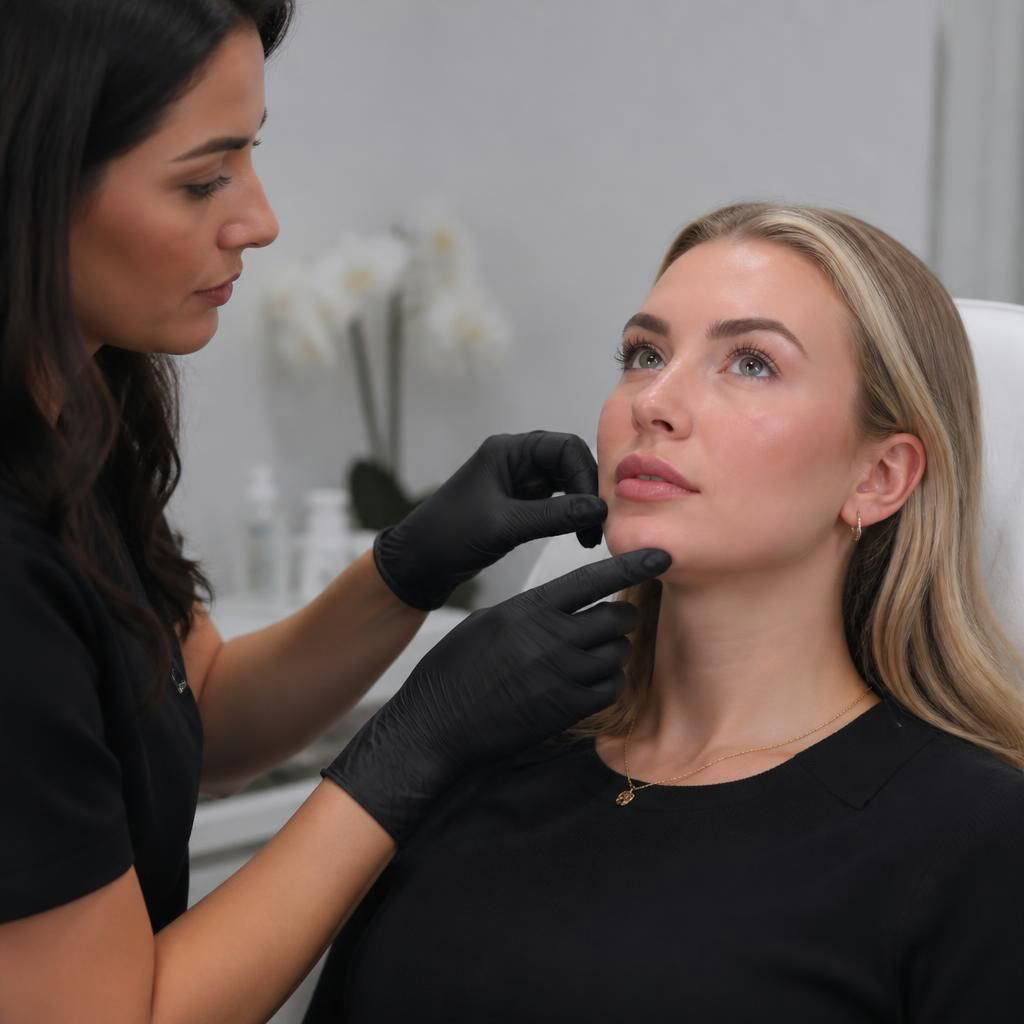
Lip fillers are specifically designed to enhance the volume and contour of the lips, whereas other dermal fillers target various facial areas to reduce wrinkles and restore volume. The choice of filler is largely influenced by the desired outcome. For those seeking to enhance lip fullness and shape, lip fillers are the preferred option.
Other dermal fillers are versatile and can be used for broader facial rejuvenation. They address issues such as nasolabial folds, marionette lines, and cheek volume loss. The choice between these fillers depends on specific aesthetic goals and the areas requiring enhancement.
Ultimately, both lip fillers and other dermal fillers provide effective results but serve different purposes. Consulting with a skilled practitioner can help tailor treatments to individual needs, ensuring that the chosen filler type aligns with the patient’s expectations and desired aesthetic improvements.