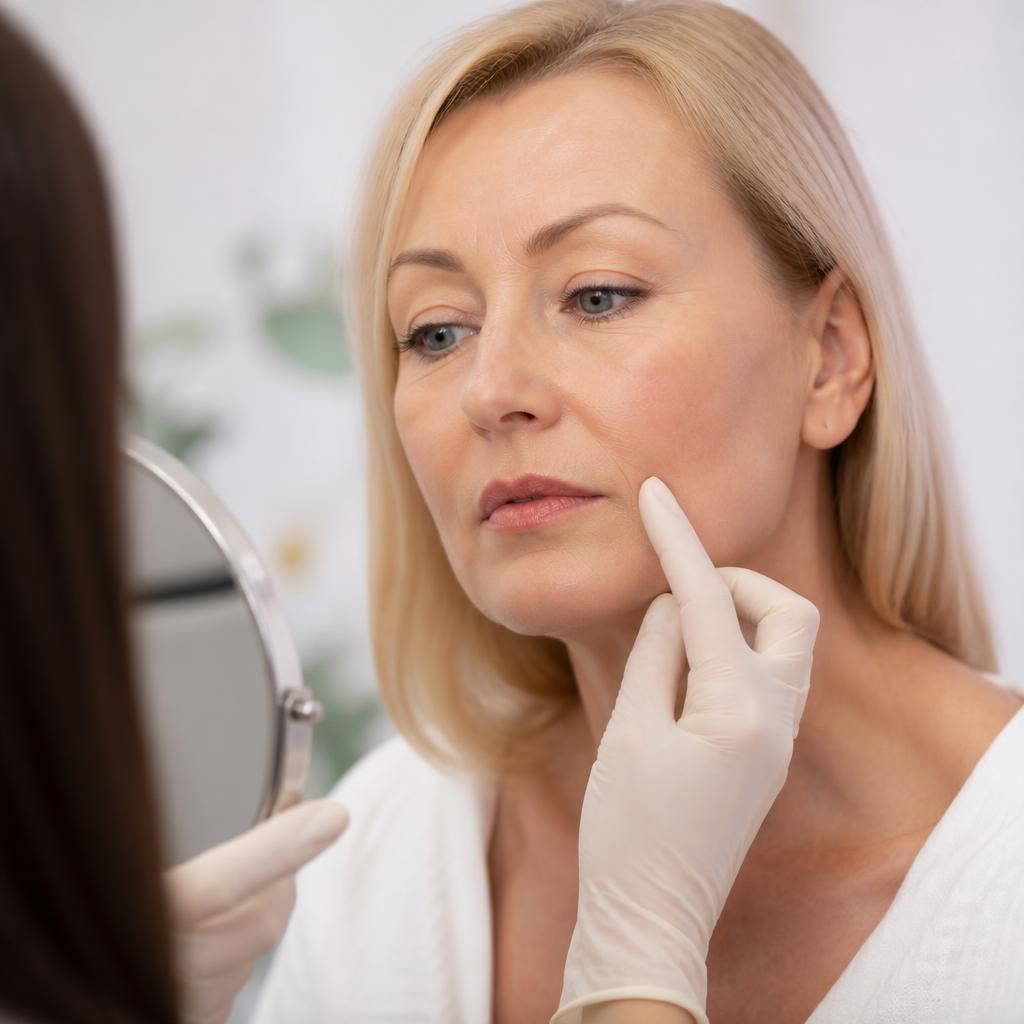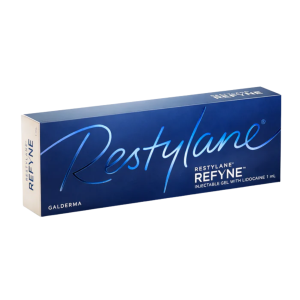

Filler for nasolabial lines can indeed help improve the appearance of marionette lines. Both nasolabial folds and marionette lines are common facial concerns that develop due to ageing, volume loss, and repeated facial movements. While they are distinct areas, treating nasolabial folds can have a positive impact on marionette lines because of the interconnected nature of facial structures. By strategically using dermal fillers, practitioners can enhance facial volume and contour, leading to a more youthful and balanced appearance.
Understanding Facial Anatomy
Facial ageing is a complex process involving the degradation of collagen and elastin, loss of subcutaneous fat, and changes in bone structure. Nasolabial lines, which extend from the nose to the corners of the mouth, and marionette lines, which run from the corners of the mouth down towards the chin, are influenced by these factors. The skin in these areas becomes thinner and less elastic, contributing to the formation of lines and folds. Treating one area can often impact adjacent areas due to the interconnected nature of facial tissues.
The Role of Dermal Fillers
Dermal fillers are injectable treatments designed to restore volume, smooth out lines, and enhance facial contours. Hyaluronic acid-based fillers are commonly used due to their ability to attract and retain moisture, providing a natural-looking plumping effect. When fillers are applied to nasolabial lines, they can indirectly improve marionette lines by lifting and supporting the surrounding tissue. This holistic approach allows practitioners to address multiple concerns simultaneously, achieving a more harmonious facial appearance.
Achieving Optimal Results
For optimal results, it is essential for trained practitioners to conduct a thorough facial assessment and personalise treatment plans according to individual needs. The choice of filler, injection technique, and placement are all critical factors that influence the outcome. By understanding the dynamic relationship between different facial areas, practitioners can create a comprehensive treatment strategy that not only targets nasolabial folds but also enhances the overall aesthetics of the lower face, including marionette lines.
Considerations and Aftercare
While dermal fillers offer a minimally invasive solution with immediate results, it’s important for patients to follow aftercare instructions to maintain the longevity of the treatment. This may include avoiding strenuous activities, staying hydrated, and protecting the skin from sun exposure. Patients should also be informed about potential side effects, such as swelling or bruising, which are typically temporary. Regular follow-up appointments can help monitor progress and make necessary adjustments to ensure sustained improvement in the appearance of both nasolabial and marionette lines.
Addressing nasolabial lines with fillers can have a complementary effect on marionette lines due to their proximity and interconnected facial anatomy. By targeting one area, practitioners can indirectly influence the other, enhancing overall facial symmetry and harmony.
The strategic application of dermal fillers can lift and support the skin surrounding nasolabial folds, which in turn can reduce the appearance of marionette lines. This interconnected treatment approach maximises the aesthetic benefits, leading to a rejuvenated and youthful look.
For effective results, it is crucial for practitioners to tailor their approach based on individual facial structures and specific concerns. By carefully selecting the type and placement of fillers, they can achieve a balanced enhancement of both nasolabial and marionette lines, ensuring patient satisfaction and natural-looking outcomes.