
The cost of marionette lines fillers can vary due to several influencing factors. These factors include the type of filler used, the quantity required, the practitioner’s expertise, and the geographical location of the treatment. Understanding these elements can help manage expectations and plan accordingly.
Type and Brand of Filler
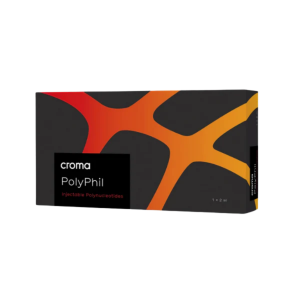
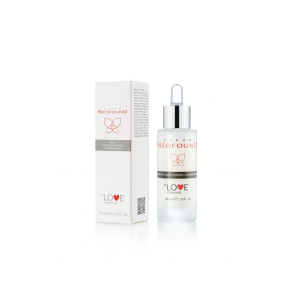
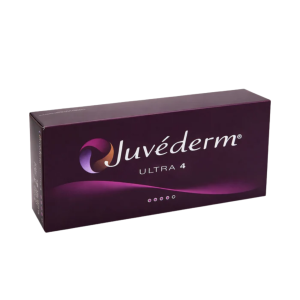
The type and brand of dermal filler chosen significantly impact the cost. Various fillers have different compositions, longevity, and effects, which can lead to price differences. For instance, hyaluronic acid-based fillers are popular for their natural-looking results, but they can be more expensive than synthetic alternatives. Additionally, reputable brands with proven efficacy often have higher price points, reflecting their quality and reliability.
Quantity of Filler Required
The amount of filler needed to achieve the desired results is another crucial factor. Individuals with deeper or more pronounced marionette lines may require more filler, leading to higher costs. Conversely, those with milder lines might need less product, resulting in a lower overall price. The practitioner will assess the extent of the lines and recommend the appropriate amount of filler, balancing effectiveness with cost.
Practitioner’s Expertise and Location
The experience and reputation of the practitioner performing the procedure can also influence the cost. Highly skilled and experienced practitioners may charge more for their services, reflecting their expertise and the quality of care they provide. Additionally, the geographical location of the clinic plays a role in pricing. Clinics situated in metropolitan areas or regions with a higher cost of living may have higher prices compared to those in less expensive areas.
Understanding the factors affecting the cost of marionette lines fillers is crucial for making informed decisions. The type and brand of filler are primary considerations, as they influence both the outcome and price. Opting for well-known brands might incur higher costs but offer reliable results.
Quantity plays a significant role in determining the overall expense. A thorough consultation with a qualified practitioner can provide clarity on the amount needed to achieve the desired effect, which in turn affects the cost.
Lastly, the practitioner’s expertise and the location of the clinic are important. Experienced practitioners offer high-quality services, often reflected in their pricing. Similarly, clinics in urban areas may have higher operational costs, influencing the price of treatments. Carefully considering these factors can help optimise treatment outcomes and ensure satisfaction.