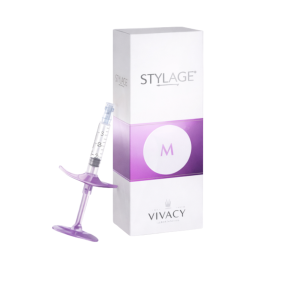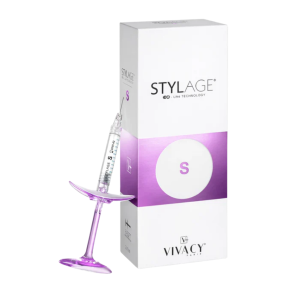

Fillers for lines around the mouth typically last between 6 to 18 months. This duration can vary based on several factors, including the type of filler used, the individual’s skin type, lifestyle, and the area treated. Understanding these variables can help practitioners provide accurate information to their clients, ensuring realistic expectations and satisfaction with the results.
Types of Fillers and Their Longevity
The type of filler used plays a significant role in how long the results will last. Hyaluronic acid-based fillers, which are commonly used for treating lines around the mouth, generally last between 6 to 12 months. These fillers are popular due to their natural compatibility with the human body and their ability to provide smooth, natural-looking results. On the other hand, calcium hydroxylapatite fillers tend to last longer, often providing results for up to 18 months. The choice of filler should be tailored to the client’s needs and desired outcomes.
Individual Factors Influencing Duration
While the type of filler is a primary factor, individual characteristics also influence the longevity of results. Skin type, age, and metabolism can all affect how quickly the body breaks down the filler. Younger individuals or those with higher metabolic rates may find that the effects wear off more quickly. Additionally, lifestyle factors such as smoking, sun exposure, and skincare routines can impact the duration of filler results. Clients should be informed about how these personal factors might affect their treatment outcomes.
Maintenance and Follow-Up
To maintain optimal results, regular follow-up treatments may be necessary. Practitioners should advise clients on the appropriate timing for maintenance sessions, which can vary depending on the filler type and individual response. Encouraging clients to adhere to a recommended schedule can help prolong the aesthetic benefits of the treatment. Additionally, combining fillers with other skincare treatments or products might enhance longevity and overall skin health.
Understanding the longevity of fillers for lines around the mouth is crucial for both practitioners and clients. The typical duration of 6 to 18 months provides a general guideline, but individual experiences may vary. This variance is attributed to factors such as the type of filler used, the individual’s skin characteristics, and lifestyle habits.
Practitioners should emphasise the importance of personalised consultations to determine the most suitable filler type and treatment plan. By assessing each client’s unique needs and expectations, practitioners can recommend the best approach to achieve desired results and advise on maintenance strategies.
Ultimately, clear communication and realistic expectations are key to ensuring client satisfaction. By understanding the factors that influence filler longevity and addressing them during consultations, practitioners can enhance client trust and deliver optimal aesthetic outcomes.