
Nasal lines fillers typically last between six to twelve months before requiring a touch-up. The duration depends on various factors including the type of filler used, individual skin properties, and lifestyle choices. Understanding these elements can help you manage expectations and plan for future treatments.
Types of Fillers and Their Longevity
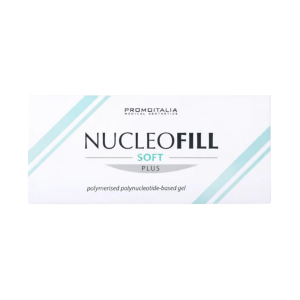
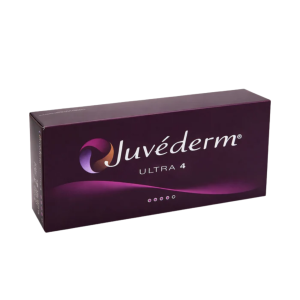
The longevity of nasal lines fillers is greatly influenced by the type of filler used. Hyaluronic acid-based fillers, which are the most common, generally last between six to nine months. This is due to their composition, which gradually breaks down and is absorbed by the body. Other types of fillers, such as calcium hydroxylapatite or poly-L-lactic acid, may offer extended results, sometimes lasting up to a year or more. It’s important to consult with a trained practitioner to determine the best option for achieving your desired outcomes.
Factors Affecting Filler Duration
Several factors can impact how long nasal lines fillers last. Individual metabolism plays a significant role, as faster metabolic rates can lead to quicker breakdown of the filler substance. Additionally, lifestyle choices such as smoking, exposure to sunlight, and stress levels can affect the longevity of the treatment. Skin type and age are also important considerations, as older skin may not hold fillers as long as more youthful skin. Regular consultations with a professional can help tailor a treatment plan suited to your specific needs.
When to Consider a Touch-Up
Determining when to schedule a touch-up depends on both personal preferences and aesthetic goals. As the effects of fillers begin to diminish, you may notice a gradual return of nasal lines. To maintain a consistent appearance, many individuals opt for touch-ups every six to nine months. Consulting with a practitioner can provide guidance on the optimal timing for touch-ups, ensuring that you achieve the best possible results. It’s important to remember that maintenance is key to preserving the youthful look that fillers can provide.

Nasal lines fillers offer a temporary solution for smoothing wrinkles and enhancing facial aesthetics. The results can vary based on the type of filler and personal factors, but typically last between six and twelve months. Planning for touch-ups is essential to maintain the desired appearance over time.
Several factors influence the longevity of fillers, including individual metabolism and lifestyle choices. For example, those with higher metabolic rates may find that fillers break down more quickly. Sun exposure, smoking, and stress can also affect how long fillers last. Understanding these factors can help in planning the timing of touch-ups effectively.
To achieve the best results, it’s advisable to consult with a trained practitioner who can provide personalised advice on filler types and treatment plans. Regular consultations ensure that any changes in skin condition or lifestyle are accounted for, allowing for effective and timely touch-ups.