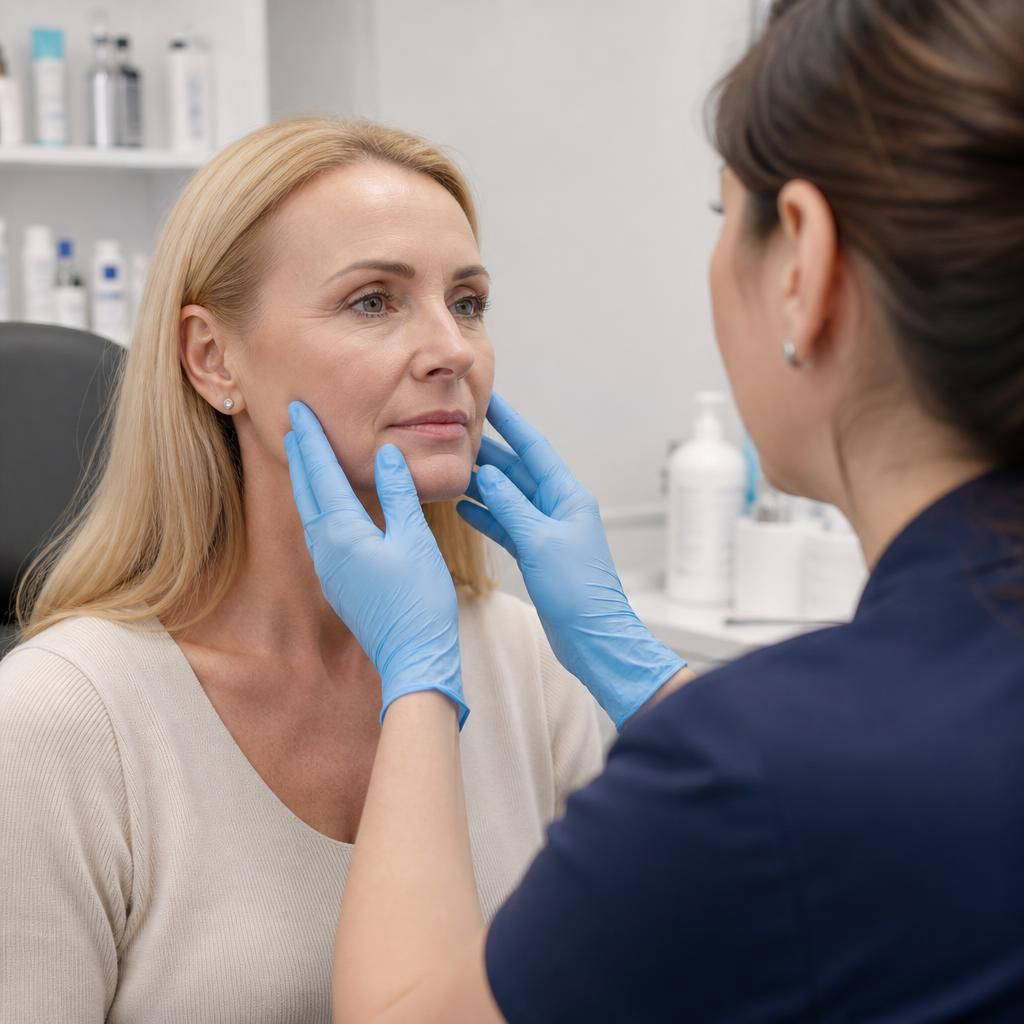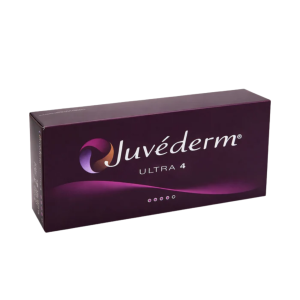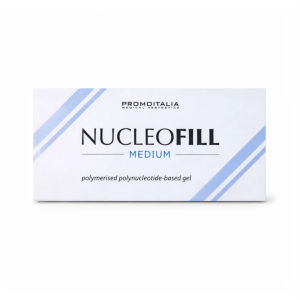

Using fillers for nasal lines and folds can result in a range of potential side effects, some of which are temporary and minor, while others may be more serious. Commonly observed side effects include swelling, redness, and bruising at the injection site. While these effects usually resolve within a few days, there are rare cases where more severe complications, such as infection or allergic reactions, may occur.
Common Side Effects
The most frequently reported side effects of dermal fillers include swelling, redness, and bruising at the injection site. These symptoms are typically mild and subside within a week. Patients may also experience tenderness or itching in the treated area, which is usually transient. It is crucial for practitioners to inform patients of these expected outcomes to ensure they are prepared for the recovery process.
Rare but Serious Complications
In rare instances, more serious complications can arise from filler use. These may include infection, nodules, or granulomas, which occur when the body reacts to the filler material. Vascular complications, such as occlusion of a blood vessel, can lead to tissue necrosis or vision impairment if not promptly addressed. Such risks underline the importance of choosing a qualified and experienced practitioner to perform the procedure.
Long-term Considerations
While fillers are generally considered safe, long-term considerations should not be overlooked. Over time, repeated use of fillers can lead to changes in skin texture or the formation of permanent lumps. It is essential for practitioners to discuss these potential outcomes with patients, ensuring they have realistic expectations and understand the importance of following post-procedure care instructions. Regular follow-up appointments can help monitor the treated area and address any concerns early on.
Dermal fillers for nasal lines and folds, while effective, come with a spectrum of potential side effects that practitioners and patients need to be aware of. Common reactions such as swelling, redness, and bruising are usually temporary but should be anticipated and managed appropriately.
More serious complications, although rare, can occur and may include vascular issues, infections, or allergic reactions. These highlight the importance of selecting a skilled practitioner who can minimise risks and provide immediate intervention if needed.
Long-term use of fillers requires careful consideration of potential changes in skin texture and the development of permanent lumps. Ongoing communication between practitioners and patients about these risks and the importance of adhering to aftercare guidelines is crucial for ensuring both safety and satisfaction with the treatment outcomes.