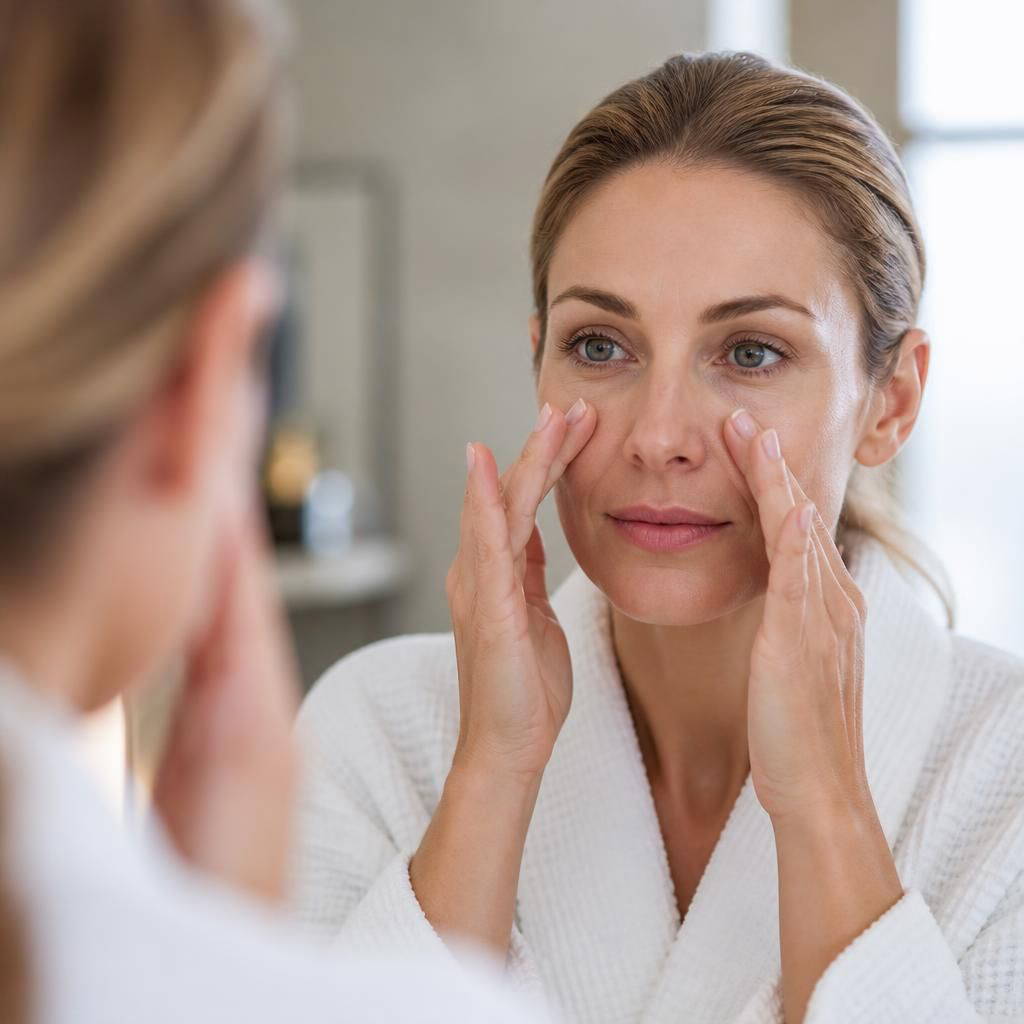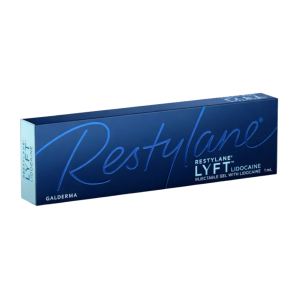

Aftercare for dermal fillers used in treating nasal lines and folds is crucial for achieving the best results and ensuring client satisfaction. Immediately following the procedure, it is essential to avoid touching or massaging the treated area unless specifically instructed by a healthcare professional. Patients should also refrain from engaging in strenuous exercise, exposure to excessive heat, and consuming alcohol for at least 24 hours post-treatment to minimise swelling and bruising.
Initial Precautions
In the immediate aftermath of a dermal filler treatment, patients are advised to adhere to specific precautions to ensure optimal outcomes. Avoiding direct sunlight and tanning beds is vital, as UV exposure can exacerbate swelling and negatively affect the filler material. Cold compresses may be applied gently to the treated area to alleviate any initial discomfort or swelling. Sleeping with the head elevated for the first night can also help reduce swelling, promoting a quicker recovery.
Ongoing Care
After the initial recovery phase, ongoing care is essential to maintain the results of the dermal filler treatment. Patients should incorporate a gentle skincare routine, avoiding any harsh exfoliants or treatments that might irritate the skin. Hydration is critical; drinking plenty of water and using a good moisturiser will help maintain the skin’s elasticity and support the longevity of the filler. It is also advisable to schedule follow-up appointments with the practitioner to monitor the filler’s integration and address any concerns that may arise.
Recognising Complications
While complications from dermal fillers are rare, it is important to be aware of potential signs that require immediate attention. Patients should contact their healthcare provider if they experience prolonged pain, significant swelling, or unusual changes in skin colour in the treated area, as these could indicate an adverse reaction. Swift intervention can prevent further complications and ensure that the treatment results remain intact. Education on the signs of complications is a vital aspect of post-treatment care, empowering patients to seek assistance promptly if needed.
Proper aftercare for dermal fillers is vital to achieving the desired aesthetic results while minimising potential side effects. Patients should diligently follow the practitioner’s instructions, which may include avoiding certain activities and substances that could interfere with the treatment’s effectiveness. Maintaining open communication with the healthcare provider is crucial for addressing any concerns that might arise during the recovery process.
Incorporating a suitable skincare regimen is another critical component of post-treatment care. Selecting gentle, non-irritating products can help preserve the integrity of the dermal fillers and enhance the overall appearance of the skin. Consistent hydration, both internally and externally, supports skin health and prolongs the filler’s effects.
Ultimately, understanding and implementing recommended aftercare practices empowers patients to maximise the benefits of their dermal filler treatments. By taking a proactive approach to post-treatment care, individuals can enjoy a smoother, more youthful appearance with confidence, knowing they have taken the necessary steps to protect their investment in their skin’s aesthetic.