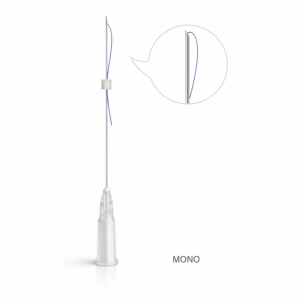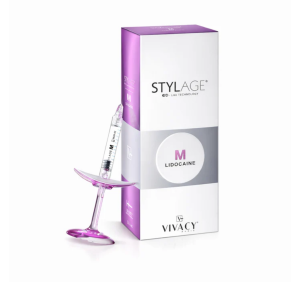

Practitioners aiming to apply dermal fillers to the nasolabial folds should focus on understanding the anatomy, selecting the appropriate product, and mastering injection techniques. These elements are crucial for achieving optimal results and patient satisfaction. Proper training and experience will ensure that these procedures are performed safely and effectively, enhancing the patient’s natural features while minimizing risks.
Understanding Facial Anatomy
A thorough understanding of facial anatomy is essential when applying nasolabial fold fillers. The nasolabial folds are the lines that run from the nose to the corners of the mouth, and they can deepen with age. Practitioners need to be aware of the underlying structures, such as muscles, fat pads, and blood vessels, to avoid complications and ensure effective filler placement. This knowledge helps in identifying the correct injection points and depths, which are vital for achieving natural-looking results.
Selecting the Right Dermal Filler
Choosing the appropriate dermal filler is another critical aspect of the application process. Different fillers have varying properties, such as viscosity and longevity, which affect their suitability for treating nasolabial folds. Hyaluronic acid-based fillers are commonly used due to their safety profile and reversibility. Practitioners should consider the patient’s skin type, age, and desired outcome when selecting a product. This tailored approach ensures that the chosen filler meets the specific needs of the patient, leading to improved aesthetic outcomes.
Mastering Injection Techniques
Injection techniques play a vital role in the successful application of nasolabial fold fillers. Techniques such as linear threading, serial puncture, or fanning can be employed depending on the desired effect and the practitioner’s expertise. Proper technique minimizes the risk of bruising, swelling, and other complications. Practitioners should also be adept at managing patient expectations and communicating the potential outcomes and risks associated with the procedure. Continuous education and practice are essential for refining these skills and staying updated with the latest advancements in filler techniques.
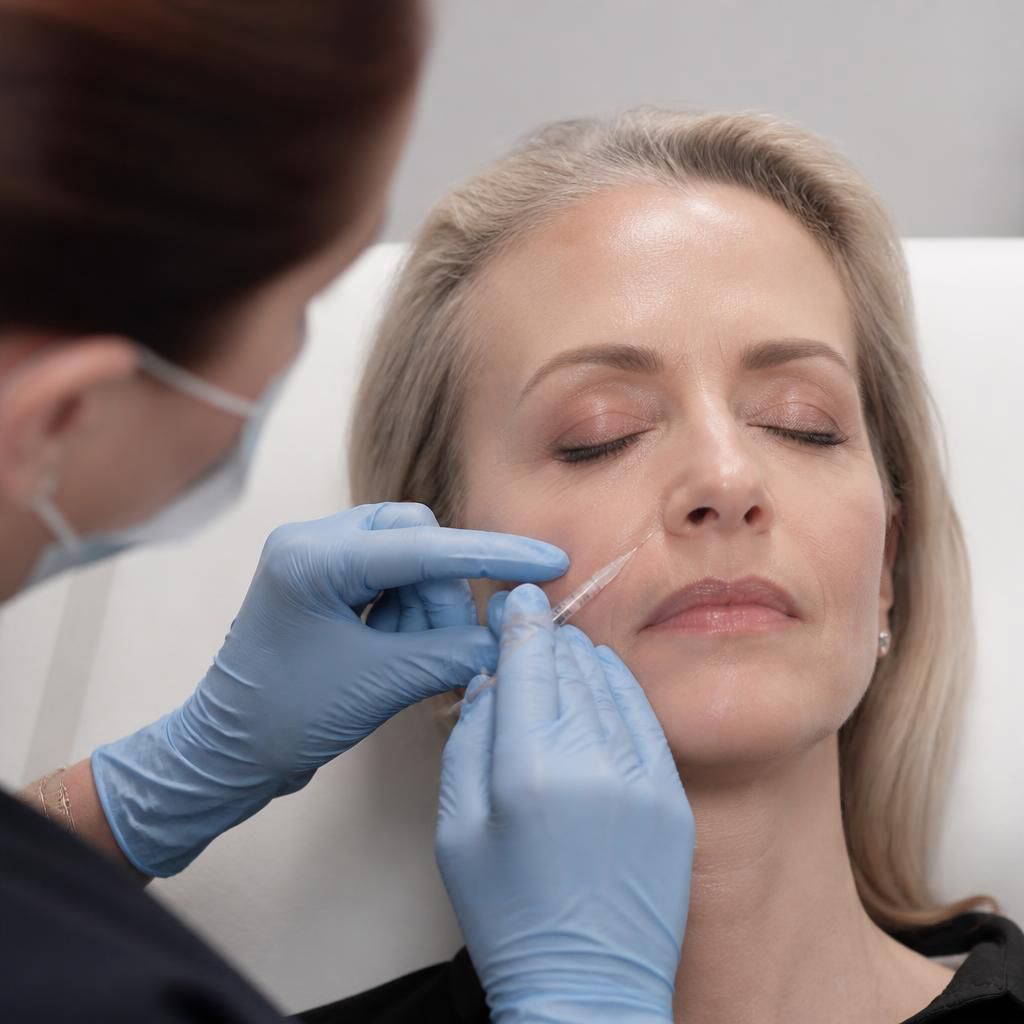
Practitioners must prioritise patient safety by conducting thorough consultations before proceeding with nasolabial fold filler applications. This involves assessing the patient’s medical history, understanding their aesthetic goals, and discussing any concerns they may have. Such consultations allow practitioners to tailor their approach to each individual, ensuring that the treatment is both safe and effective.
It is also crucial for practitioners to stay informed about the latest advancements and techniques in dermal filler applications. Attending workshops, training sessions, and conferences can help practitioners refine their skills and adopt new methods. This ongoing professional development is vital for maintaining a high standard of care and achieving the best possible results for patients.
In addition to technical skills, practitioners should be equipped with the knowledge to manage potential complications. Understanding how to handle adverse reactions, such as vascular occlusion or allergic responses, is essential for ensuring patient safety and maintaining trust. Being prepared for such scenarios demonstrates professionalism and competence, which are key to a successful practice.