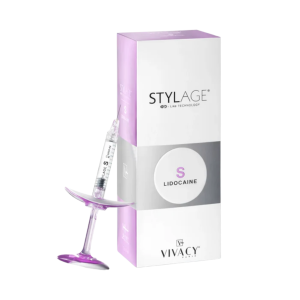

Syringe sizes for nasolabial fold fillers vary, typically ranging from 0.5ml to 1.0ml. The size of the syringe used can influence the overall cost of the treatment. Larger syringes may come at a higher price due to the increased volume of filler product they contain. Conversely, smaller syringes might be more economical but may require multiple treatments to achieve the desired effect. Understanding the differences in syringe sizes is crucial for both practitioners and patients when considering the cost-effectiveness and outcomes of nasolabial fold filler treatments.
Understanding Syringe Sizes
The size of the syringe is an important factor in the administration of dermal fillers. Syringes typically come in sizes of 0.5ml, 0.8ml, and 1.0ml. The choice of syringe size depends on the patient’s specific needs and the extent of correction required. Smaller syringes, such as those containing 0.5ml, are often used for subtle enhancements or touch-ups. On the other hand, larger syringes, like the 1.0ml, are preferable for more significant volume restoration. These variations allow practitioners to tailor treatments to individual patient needs, ensuring optimal results.
Impact on Pricing
The price of nasolabial fold filler treatments is affected by the syringe size because larger syringes contain more product, which increases the cost. A 1.0ml syringe will typically cost more than a 0.5ml syringe. However, it is important to consider the overall cost-effectiveness of using larger syringes. While the initial outlay may be higher, larger syringes may reduce the need for frequent treatments, potentially saving money in the long run. Practitioners can provide guidance on the most suitable syringe size based on the patient’s aesthetic goals and budget.
Considerations for Practitioners
For practitioners, offering a range of syringe sizes can enhance their service offerings and cater to a wider clientele. Understanding the benefits and limitations of each syringe size is essential for advising patients accurately. Practitioners should consider factors such as the patient’s age, skin type, and desired outcome when recommending a syringe size. Moreover, maintaining a diverse inventory of syringe sizes ensures that treatments can be customized, leading to higher patient satisfaction and potentially increasing the clinic’s reputation and profitability.

The choice of syringe size is a critical consideration for both practitioners and patients when planning nasolabial fold filler treatments. Larger syringes, such as 1.0ml, are often recommended for individuals seeking more substantial volume enhancement. These syringes can provide more noticeable results in a single session, although they may come with a higher price tag due to the larger volume of product.
Smaller syringes, like the 0.5ml, offer a more economical option for those looking for minimal adjustments or for touch-up procedures. While the initial cost may be lower, multiple sessions might be required to achieve the same effect as a larger syringe, potentially increasing the overall expense. Therefore, selecting the appropriate syringe size is essential for achieving desired results cost-effectively.
In conclusion, understanding the impact of syringe sizes on pricing and treatment outcomes is crucial for making informed decisions. By carefully selecting the appropriate syringe size, practitioners and patients can optimise the balance between cost and the desired aesthetic results.