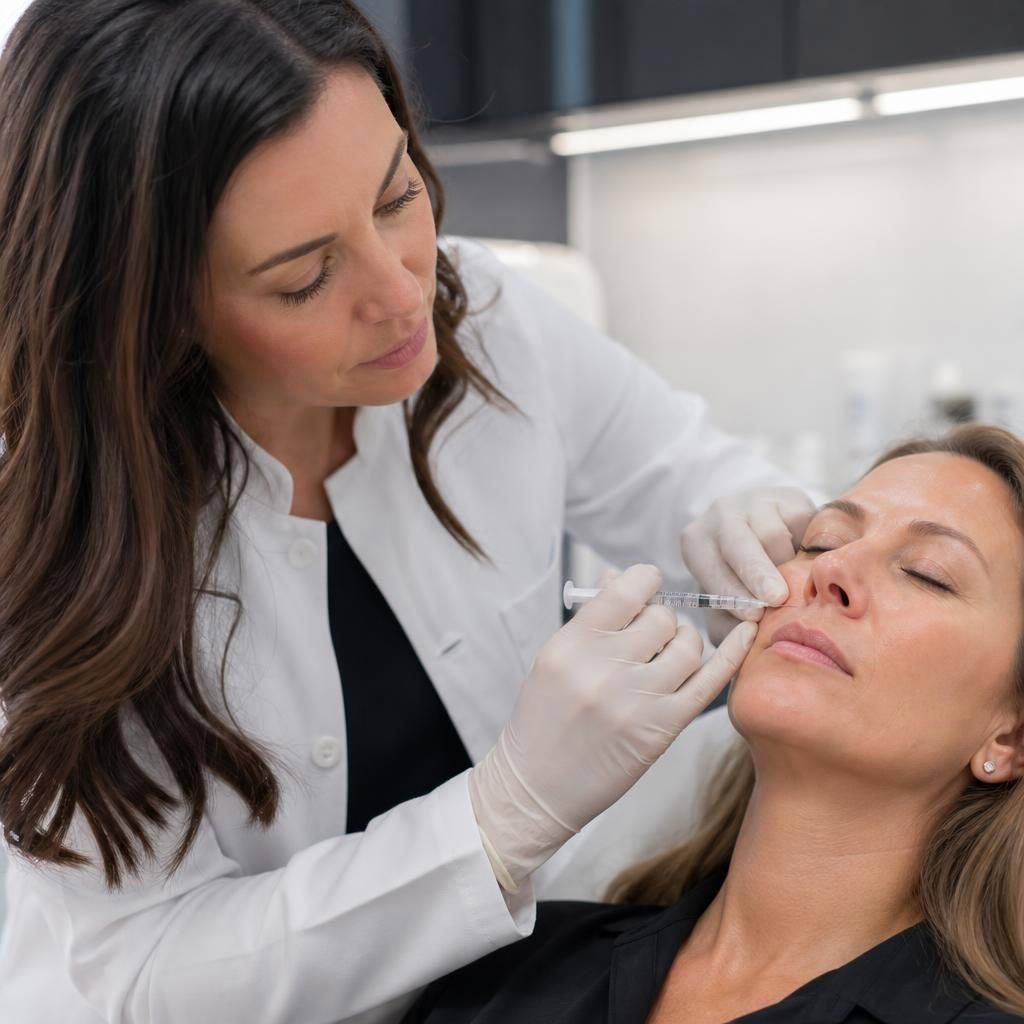

When considering nasolabial fold fillers, safety is paramount. These fillers are designed to rejuvenate facial appearance by softening the lines that run from the nose to the corners of the mouth. However, like any aesthetic procedure, they come with potential risks and require careful consideration and expert handling to ensure patient safety and optimal results.
Understanding the Procedure
Nasolabial fold fillers involve injecting a gel-like substance into the skin to add volume and smooth out wrinkles. The most common substances used are hyaluronic acid-based fillers, which are generally considered safe. However, the procedure requires precision and expertise to avoid complications such as asymmetry, overfilling, or an unnatural appearance. Therefore, it is crucial to choose a qualified and experienced practitioner who understands facial anatomy and has a track record of successful treatments.
Pre-Treatment Considerations
Before undergoing any filler treatment, a thorough consultation with a healthcare professional is essential. This consultation should include a discussion of the patient’s medical history, any allergies, and previous cosmetic treatments. It is also the time to set realistic expectations about what the procedure can achieve. Patients should be informed about potential side effects, such as redness, swelling, or bruising, and the rare but serious risks like infection or vascular occlusion, where the filler inadvertently enters a blood vessel.
Post-Treatment Care
After the procedure, following post-treatment care instructions is vital for ensuring the best results and minimizing side effects. Patients should avoid excessive sun exposure, strenuous exercise, and alcohol for at least 24 hours after treatment. Additionally, they should monitor for any signs of complications and contact their practitioner if they experience any unusual symptoms. Regular follow-ups with the practitioner can help maintain the desired results and address any concerns promptly.
Ensuring the safety of nasolabial fold fillers begins with selecting a reputable practitioner. They should have the necessary qualifications and experience to perform the procedure safely and effectively. A skilled practitioner will also provide a comprehensive consultation to discuss the patient’s goals and any potential risks.
During the procedure, the use of sterile techniques is crucial to prevent infections. The practitioner should also have a thorough understanding of facial anatomy to avoid complications such as vascular compromise, which can occur if the filler is injected into or near a blood vessel.
Aftercare is another critical component of safety. Patients should adhere to the post-treatment guidelines provided by their practitioner, which typically include avoiding certain activities and monitoring for any adverse reactions. By following these safety measures, patients can achieve the desired aesthetic outcomes while minimizing the risk of complications.