
Nasolabial fold filler costs are influenced by several key factors including the type of filler used, the expertise of the practitioner, the geographical location of the clinic, and the specific needs of the patient. Understanding these elements can help practitioners and patients alike make informed decisions regarding treatment options.
Type of Filler
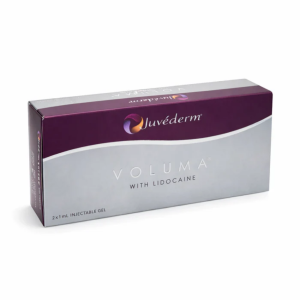
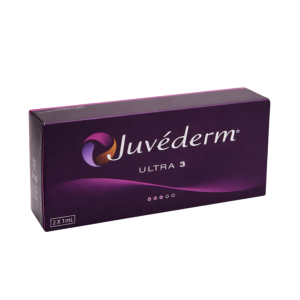
The type of dermal filler chosen for nasolabial fold treatment plays a significant role in determining the overall cost. Hyaluronic acid-based fillers, which are commonly used due to their natural appearance and reversibility, tend to vary in price depending on the brand and concentration. Other filler types, such as collagen or calcium hydroxylapatite, may offer different longevity and results, thus impacting their cost. Each product has distinct characteristics that influence its price, including the duration of effect and the technology used in its formulation.
Practitioner’s Expertise
The experience and reputation of the practitioner administering the treatment can also affect pricing. Highly skilled and well-regarded practitioners may charge more for their services due to their expertise and track record of successful outcomes. Their ability to tailor treatments to the specific needs of patients and achieve natural-looking results can justify higher fees. Furthermore, practitioners who regularly update their skills and knowledge through continued education and training may offer advanced techniques that also contribute to cost variations.
Geographical Location
Geographical location is another significant factor influencing the cost of nasolabial fold fillers. Clinics situated in metropolitan areas or regions with a higher cost of living generally charge more for aesthetic treatments than those in rural or less affluent areas. This is often a reflection of the higher operating costs associated with running a practice in these locations, as well as the increased demand for cosmetic procedures. Patients should consider travel costs and convenience when choosing a clinic, as these can add to the overall expense of the treatment.
In addition to the primary factors affecting nasolabial fold filler costs, patients’ individual needs can also play a role. The complexity of the procedure, determined by the depth and severity of the nasolabial folds, may require more product or additional sessions, thus increasing the overall expense. A personalised consultation is essential to assess these needs accurately.
Moreover, the clinic’s amenities and level of customer service can impact pricing. Clinics offering luxurious surroundings and comprehensive post-treatment care may charge premium prices, reflecting the enhanced patient experience they provide. These added benefits, while not directly related to the treatment, can influence the overall perception of value.
Ultimately, understanding these cost-influencing factors can aid both patients and practitioners in making well-informed decisions. By considering the type of filler, practitioner expertise, geographical location, and individual patient needs, it is possible to achieve the desired aesthetic outcomes while managing costs effectively.