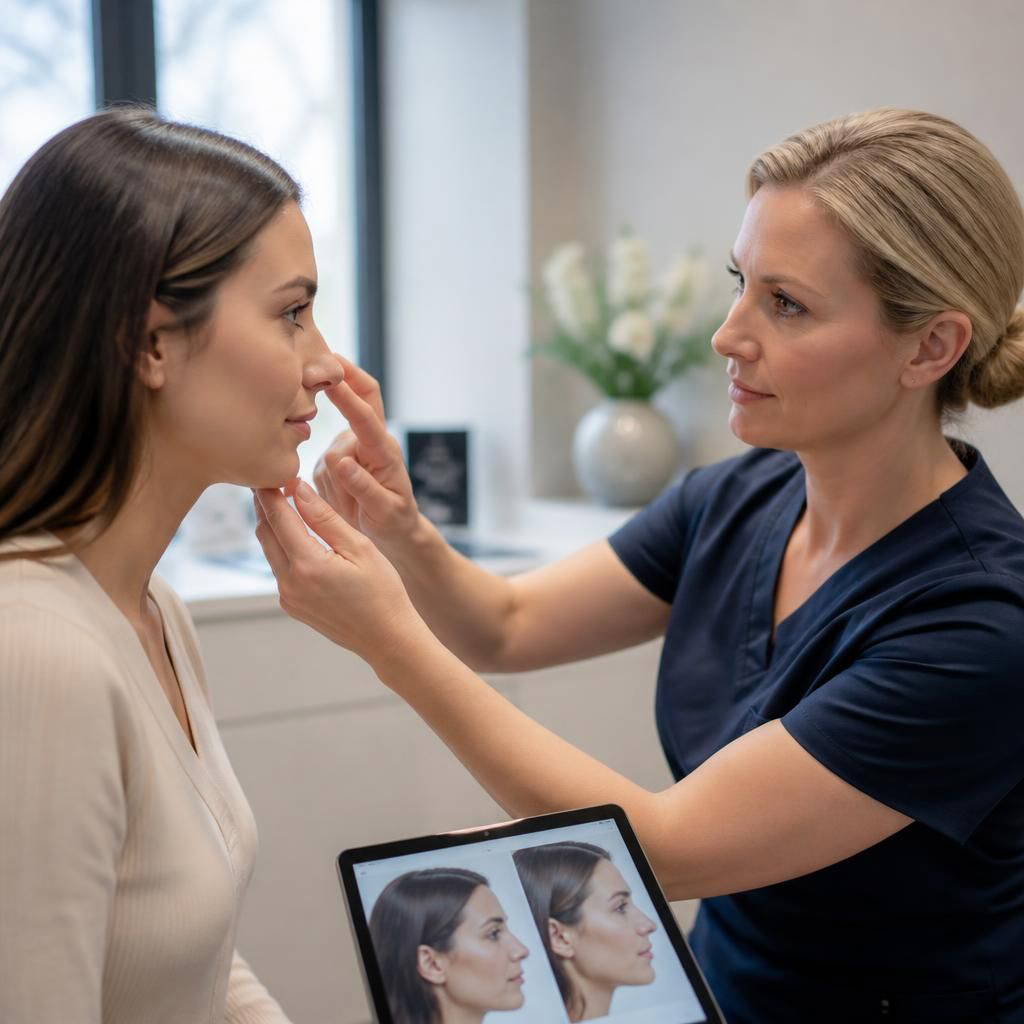

Non-surgical rhinoplasty results typically last between 6 to 18 months, depending on the specific products used and individual patient factors. In contrast, traditional surgical rhinoplasty offers permanent results. However, non-surgical rhinoplasty is a less invasive option, appealing to those seeking temporary changes without the commitment of surgery.
Understanding Non-Surgical Rhinoplasty
Non-surgical rhinoplasty, often referred to as a liquid nose job, involves the use of dermal fillers to alter the shape and contour of the nose. This procedure is popular due to its minimal downtime, immediate results, and reversibility. The fillers used, typically hyaluronic acid-based, are gradually absorbed by the body, which accounts for the temporary nature of the results. The longevity of the results can vary based on factors such as the type of filler used, the patient’s metabolism, and lifestyle factors.
Comparing Longevity with Surgical Rhinoplasty
Traditional surgical rhinoplasty offers permanent results as it involves altering the bone and cartilage of the nose. While this may be ideal for those seeking long-lasting changes, the surgical approach requires a more significant commitment, including a longer recovery period and potential risks associated with surgery. Non-surgical rhinoplasty offers a temporary solution, allowing patients to test changes before committing to surgery. It is also advantageous for those who wish to make minor adjustments or corrections.
Factors Influencing Non-Surgical Rhinoplasty Results
The duration of non-surgical rhinoplasty results can be influenced by several factors. The type of dermal filler used plays a crucial role; some fillers are designed to last longer than others. Additionally, individual factors such as skin type, age, and lifestyle habits, including smoking and sun exposure, can affect how quickly the body metabolizes the filler. Patients are advised to consult with a qualified practitioner to understand the expected longevity of their results based on their unique circumstances.
Conclusion
While non-surgical rhinoplasty offers a temporary alternative to traditional surgery, it provides a flexible and less invasive option for those considering nasal enhancements. The results can last from several months to over a year, offering an opportunity for patients to explore aesthetic changes without the permanence of surgery. For long-term results, traditional surgical rhinoplasty remains the definitive choice.
Non-surgical rhinoplasty provides a temporary solution, typically lasting between six to eighteen months, depending on the type of filler used and individual patient factors. This method allows for quick, reversible changes, making it an attractive option for those hesitant about permanent surgical procedures.
On the other hand, traditional surgical rhinoplasty offers permanent results, involving structural changes to the nose’s bone and cartilage. This makes it a more suitable option for individuals seeking long-term solutions, albeit with a longer recovery period and higher initial commitment.
Ultimately, the choice between non-surgical and surgical rhinoplasty depends on personal preferences and goals. Non-surgical options provide flexibility and immediate, albeit temporary, results, while surgical procedures offer lasting changes. Consulting with a qualified practitioner can help determine the most appropriate approach based on individual needs and expectations.