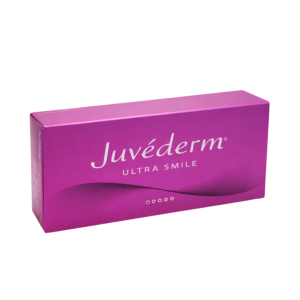

Choosing the right type of filler for a non-surgical nose procedure requires careful consideration of the patient’s needs, the desired outcome, and the properties of the available fillers. The primary goal is to enhance the nasal profile safely and effectively, ensuring both aesthetic satisfaction and procedural safety. Different fillers offer varying degrees of firmness, longevity, and flexibility, making it essential to match the product to the specific requirements of the procedure.
Understanding Dermal Fillers
Dermal fillers are injectable substances used to add volume, alter contours, and improve the overall appearance of facial features. They are commonly composed of hyaluronic acid, calcium hydroxylapatite, or poly-L-lactic acid, each offering distinct benefits. Hyaluronic acid fillers are popular for non-surgical rhinoplasty due to their natural compatibility with the body and reversible nature. These fillers provide temporary results, typically lasting between 6 to 18 months, and can be dissolved if necessary, offering an added layer of safety.
Factors to Consider
When selecting a filler, practitioners must consider factors such as the patient’s skin type, the extent of correction required, and the specific anatomical challenges of the nose. The viscosity and elasticity of the filler play crucial roles in achieving the desired outcome. For instance, a firmer filler might be preferred for adding volume or lifting the nasal tip, while a softer filler may be suitable for smoothing out minor irregularities. Additionally, the practitioner’s expertise and familiarity with specific products can influence the choice, as different fillers require different injection techniques.
Safety and Efficacy
Ensuring the safety and efficacy of the procedure is paramount. It is important to select fillers that are clinically tested and approved for use in non-surgical rhinoplasty. Practitioners should be well-versed in the potential risks and side effects, such as bruising, swelling, or asymmetry, and be prepared to address any complications that may arise. Adequate training and knowledge of facial anatomy are essential for minimizing risks and achieving optimal results. Ultimately, a thorough consultation with the patient and a detailed understanding of their expectations will guide the selection of the most appropriate filler.

To choose the right filler for a non-surgical nose procedure, begin by assessing the specific goals and requirements of the patient. Understanding the desired changes, such as lifting the nasal tip, smoothing humps, or refining the bridge, will guide the selection process. The characteristics of the filler, such as its firmness and longevity, should align with these objectives.
Consideration of the patient’s skin type and anatomical features is equally important. A thorough examination will help determine the most suitable type of filler and the appropriate injection technique. A firmer filler may be needed for structural enhancement, while a softer one might be better for subtle refinement.
Finally, ensure that the chosen filler is clinically approved and that you are equipped to manage any potential complications. Staying informed about the latest advancements and products in dermal fillers will aid in making an informed decision, ultimately enhancing both safety and aesthetic outcomes for your patients.