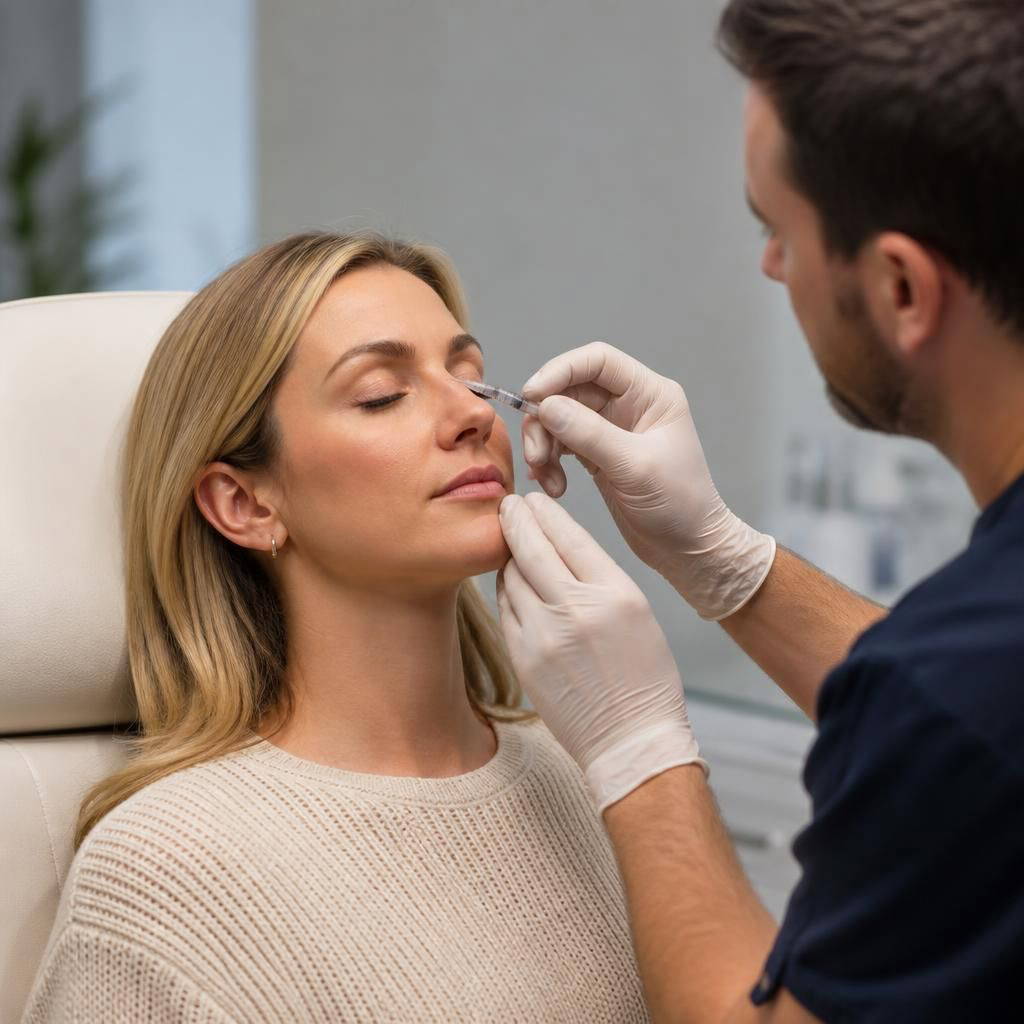

Neuramis Deep is a dermal filler commonly used in non-surgical rhinoplasty due to its unique properties and effectiveness. Practitioners should be well-versed in its application techniques to ensure optimal results and patient safety. Key considerations include the anatomical assessment of the patient’s nose, the choice of injection technique, and the management of potential complications. Proper understanding of these aspects can significantly enhance the outcomes of non-surgical rhinoplasty using Neuramis Deep.
Understanding Neuramis Deep
Neuramis Deep is a hyaluronic acid-based filler, specifically designed for deep tissue injection and volume restoration. Its cross-linked structure provides stability and longevity, making it a preferred choice for reshaping the nose without surgery. The filler integrates smoothly into the tissue, allowing for natural-looking results. The high viscoelasticity of Neuramis Deep also ensures that the filler maintains its shape under pressure, crucial for the nasal region.
Technique Selection
Choosing the right injection technique is crucial when using Neuramis Deep in non-surgical rhinoplasty. Techniques such as linear threading and fanning are commonly employed to achieve desired outcomes. Linear threading involves injecting the filler along the nasal bridge to create a smooth and defined contour. Fanning, on the other hand, can be used to address broader areas requiring volume enhancement. Mastery of these techniques allows for precision in shaping and contouring the nose.
Managing Complications
While non-surgical rhinoplasty with Neuramis Deep is generally safe, practitioners must be prepared to manage potential complications. Common issues include swelling, bruising, and, in rare cases, vascular occlusion. Immediate recognition and appropriate intervention are essential to mitigate these risks. Practitioners should have a thorough understanding of nasal anatomy and be equipped with emergency protocols, such as the use of hyaluronidase for dissolving the filler if necessary. Patient safety should always be the foremost priority.
Practitioners aiming to utilise Neuramis Deep in non-surgical rhinoplasty should prioritise a comprehensive understanding of nasal anatomy. This understanding is vital for identifying suitable candidates and determining the appropriate injection sites, thereby minimising risks and enhancing results. Additionally, familiarity with the rheological properties of Neuramis Deep, such as its cohesiveness and elasticity, is essential for achieving a harmonious and natural nasal contour.
Effective patient communication is another crucial element in the application of Neuramis Deep. Practitioners should clearly explain the procedure, expected outcomes, and potential risks to patients. This transparency fosters trust and ensures that patients have realistic expectations about the results. Additionally, post-procedure care instructions should be thoroughly discussed to optimise recovery and maintain the aesthetic results.
Continuous professional development through workshops and training sessions can further refine a practitioner’s skills in using Neuramis Deep. As techniques and products evolve, staying updated with the latest advancements ensures that practitioners can offer the best possible outcomes for their patients. This commitment to ongoing learning is key to maintaining high standards of care in aesthetic practice.