
Non-surgical rhinoplasty, commonly referred to as a ‘liquid nose job’, utilises dermal fillers to enhance the shape and contour of the nose without the need for invasive surgery. Hyaluronic acid-based fillers such as Juvederm and Restylane are the most commonly used due to their safety profile and reversibility. Calcium hydroxylapatite, found in Radiesse, is also employed for its volumising properties, albeit less frequently.
Hyaluronic Acid Fillers
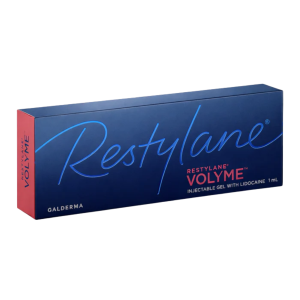
Hyaluronic acid (HA) fillers are favoured for non-surgical rhinoplasty due to their biocompatibility and ease of use. Products like Juvederm and Restylane offer varying levels of viscosity, allowing practitioners to tailor treatments to the specific needs of the patient’s nasal structure. The reversible nature of HA fillers provides an added layer of safety, as they can be dissolved with hyaluronidase if necessary. This characteristic makes them a popular choice for patients seeking temporary enhancements.
Calcium Hydroxylapatite Fillers
Calcium hydroxylapatite (CaHA) fillers, such as Radiesse, are another option for non-surgical rhinoplasty. These fillers provide more structural support and are often used to address more pronounced contouring needs. While not as easily reversible as HA fillers, CaHA fillers offer longer-lasting results, typically extending beyond a year. Their robust nature makes them suitable for patients looking for a more permanent solution without opting for surgical intervention.
Considerations for Dermal Fillers
When selecting a dermal filler for non-surgical rhinoplasty, practitioners must consider several factors, including the desired outcome, the patient’s anatomy, and the filler’s properties. The choice between HA and CaHA fillers is often guided by the need for reversibility and the duration of the desired effect. Additionally, practitioners must ensure they are well-versed in the anatomy of the nose and the potential risks associated with filler injections in this sensitive area. Proper training and experience are paramount to achieving optimal results and maintaining patient safety.
In non-surgical rhinoplasty, the choice of dermal fillers is crucial in achieving the desired aesthetic outcome. Hyaluronic acid fillers like Juvederm and Restylane are prevalent due to their flexibility and safety. These fillers can be adjusted in terms of thickness and are reversible, providing an option for patients seeking temporary enhancements.
For those looking for more structural support and longer-lasting results, calcium hydroxylapatite fillers such as Radiesse are considered. These fillers offer greater durability and are preferred for more significant contouring needs, although they are less easily reversible compared to hyaluronic acid fillers.
Ultimately, the choice of filler depends on multiple factors including the patient’s individual needs, the specific aesthetic goals, and the practitioner’s expertise. Understanding the properties and potential applications of each filler type is essential for practitioners to deliver safe, effective, and satisfying outcomes in non-surgical rhinoplasty procedures.