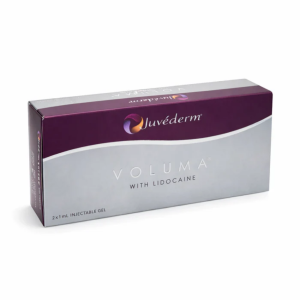

Juvederm, Restylane, and Radiesse are leading brands in the dermal filler market, each offering distinct benefits for facial rejuvenation. Juvederm is renowned for its smooth gel consistency, making it ideal for soft tissue augmentation and providing natural-looking results. Restylane, on the other hand, is known for its versatility and ability to lift and contour, while Radiesse stands out for its longevity and collagen-stimulating properties. Each product caters to different patient needs, making it essential to understand their unique characteristics.
Composition and Consistency
Juvederm and Restylane are both hyaluronic acid-based fillers, which contribute to their hydrating and volumizing effects. Juvederm’s formulation is smooth due to its cross-linked hyaluronic acid, offering a softer finish. Restylane, while also smooth, has a slightly firmer texture, allowing for more precise contouring. In contrast, Radiesse is composed of calcium hydroxylapatite microspheres, which not only provide immediate volume but also stimulate collagen production over time, offering a dual-action benefit.
Application and Results
The smooth consistency of Juvederm makes it particularly effective for areas requiring subtle enhancement, such as the lips and nasolabial folds. Restylane’s firmer texture allows practitioners to achieve more defined contours, making it suitable for cheek augmentation and tear trough correction. Radiesse is often chosen for deeper facial folds and volume loss, particularly in the mid-face and jawline, due to its robust volumizing capacity and longer-lasting results.
Longevity and Maintenance
Longevity is a critical factor when comparing these dermal fillers. Juvederm typically lasts between 6 to 12 months, depending on the specific product and treatment area. Restylane offers similar durability, with results lasting around 6 to 18 months. Radiesse, however, is known for its extended longevity, with effects often visible for up to 18 months or longer, attributed to its collagen-stimulating properties. Patients may require touch-ups to maintain desired results, but the frequency varies based on the chosen filler and individual patient metabolism.
Choosing between Juvederm, Restylane, and Radiesse depends on the specific aesthetic goals and patient needs. Juvederm is preferred for those seeking smooth, natural enhancements, particularly in areas like the lips and nasolabial folds. Its soft consistency ensures a natural appearance, appealing to those desiring subtle changes.
Restylane’s firmer texture is advantageous for patients looking for more defined facial contours. It is particularly effective for addressing volume loss and providing structure to areas such as the cheeks and under-eye regions. Its versatility makes it a popular choice among practitioners for various facial concerns.
Radiesse is ideal for patients seeking long-lasting results and collagen stimulation. Its robust volumizing effect makes it suitable for deeper wrinkles and significant volume loss, especially in the mid-face and jawline. Understanding these differences allows practitioners to tailor treatments for optimal patient satisfaction.