
Practitioners should adhere to stringent safety measures when using Radiesse dermal fillers in cosmetic procedures to ensure both the efficacy of the treatment and the safety of the patient. Key protocols include thorough patient assessment, understanding contraindications, and maintaining a sterile environment during the procedure.
Patient Assessment and Preparation
Before administering Radiesse dermal fillers, it is crucial to conduct a comprehensive patient assessment. This includes evaluating the patient’s medical history, identifying any allergies, and discussing previous cosmetic treatments. Understanding the patient’s expectations and desired outcomes is equally important to tailor the procedure appropriately. A pre-procedure consultation should cover potential risks and side effects, ensuring that the patient is well-informed and consents to the treatment. Additionally, practitioners should ensure that the patient has realistic expectations about the results.
Contraindications and Precautions
Practitioners must be aware of the contraindications associated with Radiesse fillers. These include patients with severe allergies, particularly those with a history of anaphylaxis, or patients with bleeding disorders. It is also advisable to avoid treatment in areas with active skin infections or inflammation. Understanding these contraindications helps prevent adverse reactions and ensures patient safety. Practitioners should also be cautious when treating patients who are pregnant or breastfeeding, as the safety of Radiesse fillers in these populations has not been established.
Procedure Protocols and Aftercare
During the procedure, maintaining a sterile environment is paramount to prevent infections. Practitioners should use aseptic techniques and ensure that all instruments and materials are sterile. Proper injection techniques must be employed to avoid complications such as vascular occlusion or undesired filler placement. Post-procedure, patients should receive clear aftercare instructions, including avoiding strenuous activities and excessive sun exposure for a specified period. Monitoring the patient for any immediate adverse reactions and scheduling follow-up appointments are essential components of comprehensive care.
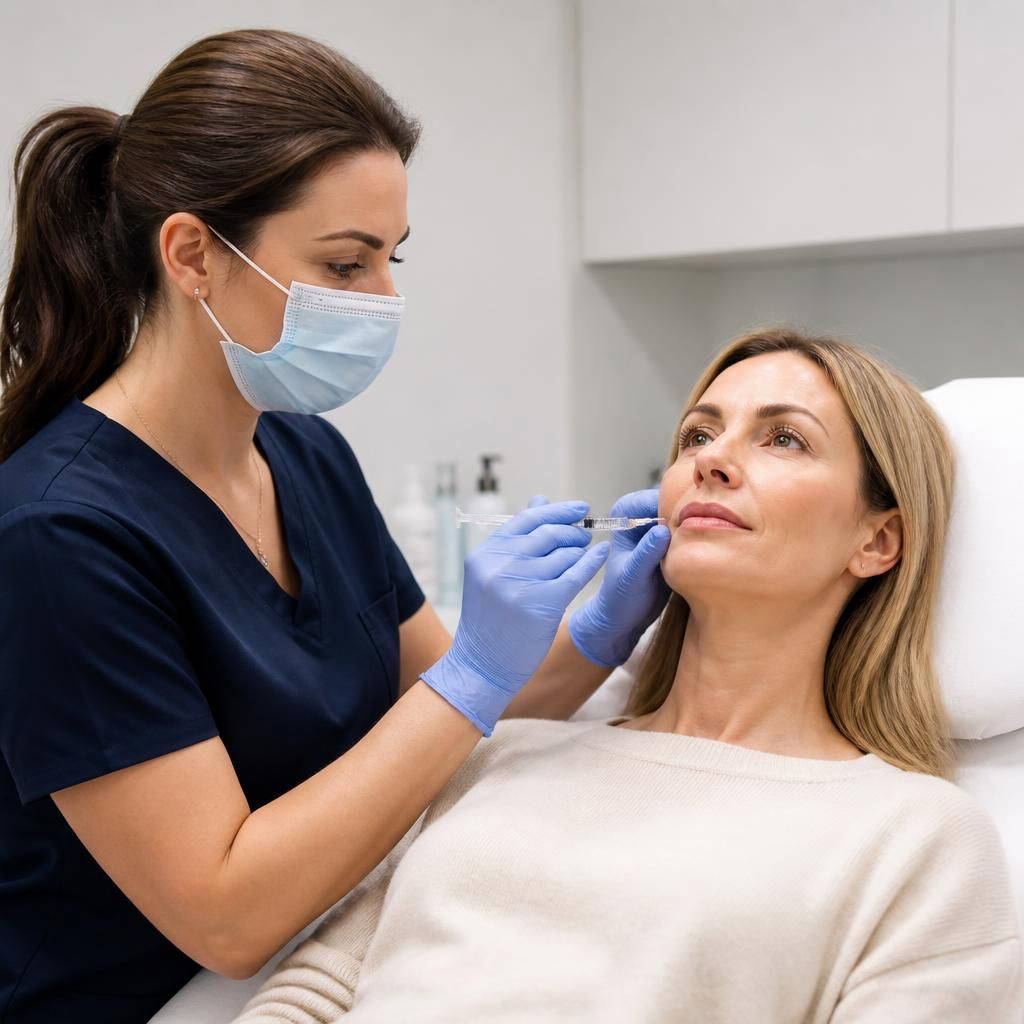
Ensuring patient safety during Radiesse dermal filler procedures starts with a detailed initial consultation. This step is essential to identify any potential contraindications and to customise the treatment plan according to the patient’s unique needs. Additionally, patients must be informed of all possible risks and side effects associated with the procedure to foster informed consent.
Maintaining a sterile environment during the procedure is critical to prevent infections. Sterile equipment and aseptic techniques should be standard practice. Practitioners must be trained in proper injection techniques to minimise risks such as vascular complications and to ensure the filler is placed accurately for optimal results.
Aftercare is equally important in ensuring patient satisfaction and safety. Providing patients with comprehensive aftercare instructions, including activity restrictions and signs of potential complications, is crucial. Follow-up appointments allow practitioners to monitor the patient’s progress and address any concerns promptly, thus ensuring a successful outcome.