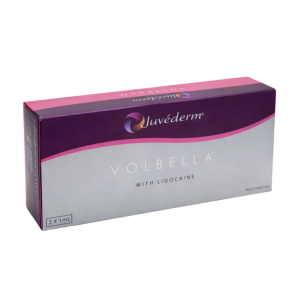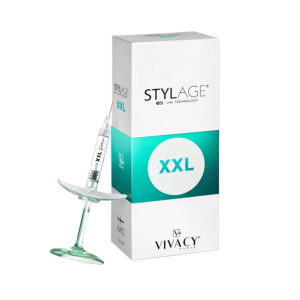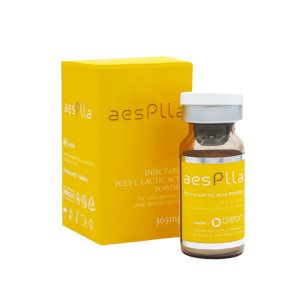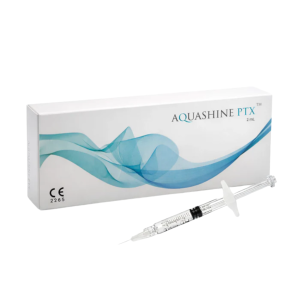

The effects of tear trough dermal fillers typically last between 9 to 12 months. However, this duration can vary based on several factors, including the type of filler used, the individual’s skin type, and lifestyle. It is essential for practitioners to consider these variables to provide clients with accurate expectations regarding the longevity of their treatment.
Factors Influencing the Longevity of Tear Trough Fillers
The type of dermal filler used significantly impacts how long the results will last. Hyaluronic acid-based fillers are commonly used for tear trough treatments due to their efficacy and safety profile. These fillers are naturally absorbed by the body over time, which dictates the duration of the effects. Typically, they last between 9 to 12 months, but this can vary based on the specific product and concentration.
Individual skin characteristics also play a role in the longevity of fillers. Factors such as skin thickness, elasticity, and the rate of metabolic breakdown of the filler influence how long the effects will be visible. Patients with a higher metabolic rate may experience a shorter duration of results as their bodies absorb the filler more rapidly.
Maintaining Results with Lifestyle and Care
Lifestyle choices can further affect the longevity of tear trough filler effects. Practices such as maintaining a healthy diet, staying hydrated, and avoiding excessive sun exposure can help prolong the results. Additionally, patients who adhere to a comprehensive skincare regimen, including the use of sunscreen and moisturisers, may notice longer-lasting results.
It is crucial for practitioners to provide clients with guidance on post-treatment care to maximise the benefits of their tear trough fillers. By understanding the factors that influence the longevity of fillers, practitioners can offer tailored advice to help clients achieve and maintain their desired aesthetic results.
Tear trough dermal fillers offer a temporary solution to under-eye hollows, typically lasting between 9 to 12 months. This duration can be influenced by the type of filler used, with hyaluronic acid-based products being the most common choice due to their safety and effectiveness. The body’s natural absorption process gradually diminishes the filler effects over time.
Individual factors such as skin type and metabolic rate also play a crucial role in determining how long the filler results will last. Those with a higher metabolic rate may find that their body absorbs the filler more quickly, leading to a shorter duration of visible effects. Practitioners should assess these factors when advising clients on expected results.
To extend the longevity of tear trough fillers, patients are encouraged to follow a healthy lifestyle and proper skincare regimen. Staying hydrated, protecting the skin from excessive sun exposure, and using quality skincare products can all contribute to longer-lasting results. By understanding these aspects, clients can better manage their expectations and maintain their desired appearance.