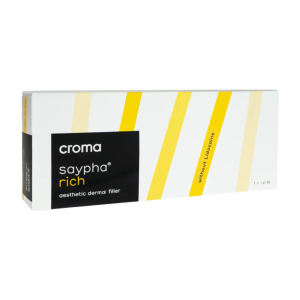

Choosing the right tear trough filler involves understanding the unique needs of each individual client, considering factors such as skin type, age, and the specific anatomical characteristics of the tear trough area. The ideal filler should provide a natural-looking result, with minimal risk of complications, and long-lasting effects. In the UK, practitioners have access to a variety of high-quality fillers, each with distinct properties that can influence the outcome. By assessing these factors and consulting with clients, practitioners can enhance the under-eye area effectively.
Understanding Tear Trough Fillers
Tear trough fillers are specifically designed to address hollowness and dark circles under the eyes. These fillers are typically made from hyaluronic acid, a substance naturally found in the body, which provides volume and hydration. Different fillers have varying consistencies and longevity, influencing their suitability for different clients. Understanding the properties of each filler type is essential for achieving optimal results. Practitioners must consider the thickness, cohesivity, and elasticity of the product to ensure it integrates well with the surrounding tissue.
Client-Specific Considerations
Each client presents unique characteristics that must be considered when selecting a filler. Factors such as skin thickness, the extent of volume loss, and the presence of any underlying conditions can all influence the choice of filler. For instance, clients with thinner skin may benefit from a softer, more fluid filler that can be easily manipulated to avoid lumpiness. Additionally, the age of the client can affect the skin’s elasticity and the extent of volume loss, guiding the choice of product for a more youthful appearance.
Consultation and Customisation
A thorough consultation is crucial in the filler selection process. During this consultation, practitioners should assess the client’s expectations, discuss potential outcomes, and explain the procedure in detail. This dialogue allows for a tailored approach, where the filler choice is customised to the individual’s needs and desired results. Practitioners should also educate clients on the importance of post-treatment care and the expected duration of results, ensuring they have realistic expectations and understand the maintenance required for longevity.
When selecting a tear trough filler, practitioners should prioritise products that offer a balance of safety, effectiveness, and client satisfaction. Hyaluronic acid-based fillers are commonly preferred due to their biocompatibility and reversibility, allowing for adjustments if needed. Selecting a filler with the right viscosity and cohesivity is crucial for achieving a smooth, natural appearance.
Practitioners should also consider the longevity of the filler, as this affects the frequency of treatments required to maintain results. Some fillers may last longer but require more precise application techniques, while others might offer shorter durations but are easier to manage. Understanding these nuances helps in making informed decisions tailored to each client.
Finally, continuous education and training in the latest filler techniques and products are imperative for practitioners to stay informed about advancements in the field. This ensures they can provide the highest standard of care and achieve the best possible outcomes for their clients.